
Pulsar Wildlife
Pulsar Wildlife thermal optics build an image from differences in infrared radiation across a scene. Where there is enough contrast with the surroundings, they can help you spot animals and other warm subjects. Thermal imaging doesn’t rely on visible light, so it can be useful at night, at dusk and in daylight, depending on conditions and the model. This range brings together handheld thermal monoculars, two-eye thermal binoculars and multispectral options for wildlife watching and other outdoor observation. The guide below the products explains how to compare formats. Check each product page for exact features and availability.


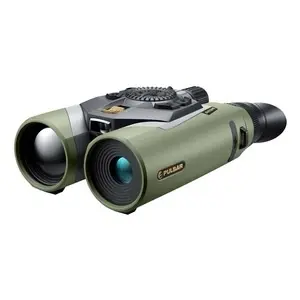


Choosing a Pulsar Wildlife thermal device
The right device depends on how you observe, how long you view for and what you need to see. Wildlife is the focus of this range, but these devices aren't limited to wildlife. The formats can also overlap. For example, a multispectral device can also be a binocular.
Handheld thermal monoculars
You view a monocular through a single eyepiece. Some observers use one for quick scanning on a walk or survey, then lower it to watch with the naked eye or with conventional binoculars. Size and weight vary between models, so compare the specifications rather than assuming every monocular is pocket-sized.
Thermal binoculars
Thermal binoculars let you view with both eyes. Some observers find this more comfortable for longer sessions, but comfort is personal and handling differs between models. Compare the weight, dimensions and controls of the models you're considering.
Multispectral binoculars
Some multispectral binoculars combine a thermal channel with a digital imaging channel. You can then switch between, or compare, a heat-based image and a digital image of the same scene. How clear the digital image is depends on the available light, the distance and the conditions. Channels, modes, illumination and other features differ by model, so check each product's specification. Don't assume every multispectral device offers the same functions.
Thermal imaging and night vision are not the same
Thermal imaging forms its picture from longwave infrared radiation. Objects emit this radiation according to their temperature and surface properties. Surfaces also reflect it from their surroundings, and the atmosphere and weather affect how much reaches the device. A thermal image therefore shows contrast in the infrared signal. It is not a direct map of temperature. A warm animal is more likely to stand out when its signal differs clearly from the background. When contrast is low, the animal can be harder to pick out.
Digital and conventional night vision work differently. They use available visible or near-infrared light, which an infrared illuminator sometimes supplements. Each approach has possible strengths:
- Thermal can help reveal a warm subject against a cooler background, even in darkness.
- A digital or night vision image can sometimes show surface features such as markings or texture, if there is enough light and the subject is close enough.
With both approaches, distance, illumination, the sensor, contrast and the weather all affect how much detail you see. Multispectral devices can bring both kinds of view together in one device.
Specifications worth comparing
- Field of view: a wider field of view can show more of the scene at once, which can help when scanning. You may need to balance it against the magnification and detail you want at distance.
- Sensor and lens: these affect image detail and how the view changes with distance. Higher sensor resolution alone doesn't make a device the better choice for every task.
- Controls and handling: consider whether you'll use the device in the dark, with gloves or for long sessions.
- Weight and size: these matter if you'll carry the device for long periods or hold it up for extended viewing.
- Operating time and power: compare each model's stated figures with the length of your typical outings.
- Additional features: recording, app connection, rangefinding and other extras vary between models. Confirm them on the individual product page.
Detection is not identification
Manufacturers often quote a detection range. This figure is an estimate. It is based on a target, a definition of detection and test assumptions and conditions set by the manufacturer, although these details may only be available where the manufacturer discloses them. Detection distance depends on factors such as the target's size, the sensor and the environment, so your results in the field may differ from the quoted figure.
Detection also isn't identification. Seeing that a heat source is present is different from recognising what it is. Recognising an animal, let alone a species, usually requires a closer distance. It also depends on the subject's size, its contrast with the surroundings and the weather. If you compare detection figures between models, check that they use similar targets and definitions.
Explore related ranges
Frequently asked questions
Should I choose a thermal monocular or thermal binoculars for observing wildlife?
Neither format is best for everyone. You view a monocular with one eye, and some observers use one for quick scanning before switching to the naked eye or other optics. Thermal binoculars let you view with both eyes, which some people find more comfortable for longer sessions. Think about how long you usually view for, how much you're happy to carry and how the device feels in your hands. Then compare the weight and dimensions of specific models rather than assuming one format is always lighter or more comfortable.
How do I compare models for scanning a wide area?
Start with field of view. A wider field of view can show more of the scene at once, which can help when you scan hedgerows, fields or woodland edges. Whether it suits you depends on how much detail you need, how far away your subjects usually are, how the device handles and the model itself. Weigh field of view against the sensor, lens, controls, weight and operating time. A higher-resolution sensor can help with image detail, but resolution alone doesn't make a model the right choice.
Does the detection range tell me how far away I can identify an animal?
No. A quoted detection range is the manufacturer's estimate for a particular target under its own assumptions, and details of that target and those assumptions may only be available where the manufacturer discloses them. Your actual results can differ with target size, contrast and conditions. Detection also only means the device can show that a heat source is present. Identifying what that heat source is, such as which species it is, usually requires a closer distance. When you compare models, check that their figures use similar targets and definitions.
How is multispectral viewing different from thermal-only viewing?
A thermal-only device shows an image based on infrared contrast. Some multispectral binoculars add a digital imaging channel alongside the thermal channel. You might use the thermal image to locate a subject and then switch to the digital image for a different view of it. How useful the digital image is depends on the light, distance and conditions. Channels, modes and extra features vary by model, so check the product page rather than assuming every multispectral device works the same way.
Can thermal devices be used in both daylight and darkness?
Thermal imaging doesn't rely on visible light, so some thermal devices are designed for use in both daylight and darkness. What you can see still depends on the contrast between a subject and its surroundings. For example, on some hot days, sun-warmed backgrounds can reduce contrast and make animals harder to pick out. Weather and other conditions also have an effect. Check each model's specification for its intended use.