DJI Drones and Thermal Imaging
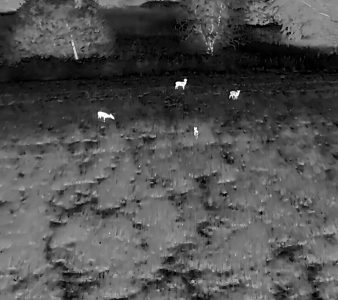
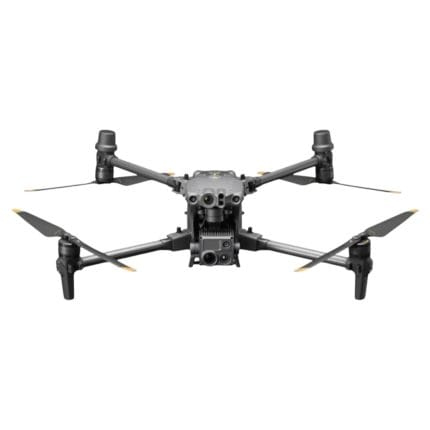
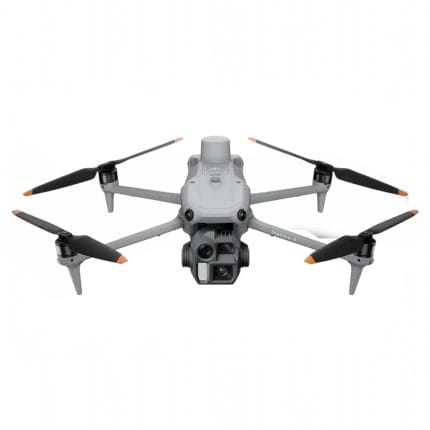
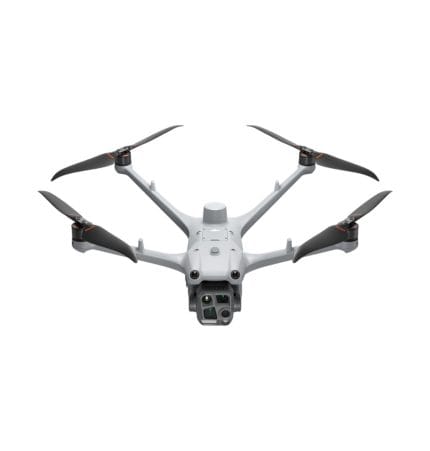
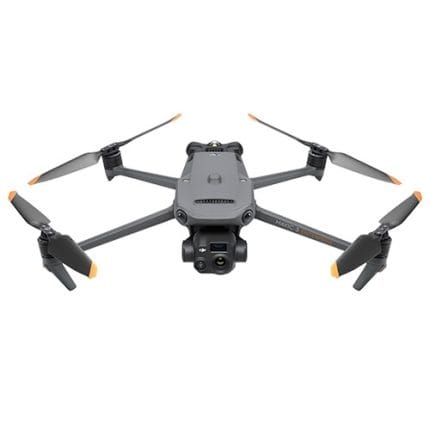
These DJI enterprise drones fall into two groups. The Matrice 4T, Matrice 4TD, Matrice 30T and Mavic 3T carry thermal cameras for viewing heat. The Matrice 4E is a survey drone with no thermal camera. Decide which job you need first, then choose the aircraft, and finally the package that suits how you will operate it. The guide below the range takes you through each step.
Start with the job: heat or survey imagery
A thermal drone builds an image from the heat that objects give off, and pairs it with visible-light cameras. Choose one when temperature differences are what you need to see. The thermal choices here are the Matrice 4T, Matrice 4TD, Matrice 30T and Mavic 3T.
If survey photography is the priority rather than heat viewing, look at the Matrice 4E survey drone. DJI positions it for survey work, with a larger wide-camera sensor than the 4T's (4/3-inch against 1/1.3-inch in DJI's specifications) and a mechanical shutter, and it has no thermal camera. Settling heat versus survey imagery first stops you choosing the right aircraft family with the wrong camera.
Comparing the thermal models
Within the Matrice 4 series, DJI separates the Matrice 4T from the 4E by its thermal camera, which works alongside a wide visible camera. The Mavic 3T also combines thermal and visible viewing, with wide and telephoto visible cameras. The Matrice 30T is a thermal model too.
To weigh one thermal aircraft against another, compare the same points on each:
- Thermal field of view: how much of the scene the thermal camera takes in. DJI specifies the same native thermal resolution for the Mavic 3T and Matrice 4T, but a wider thermal field of view on the 3T. Lean towards the 3T when taking in more of the scene in each thermal frame matters most, and towards the 4T's narrower thermal view when you want each frame to concentrate on a smaller part of it.
- Visible cameras and zoom: which visible cameras each aircraft carries, and how closely each lets you look.
- Measurement and workflow: any rangefinding or measurement tools, and the controller and software each aircraft works with.
- Batteries and compatibility: which batteries and accessories each aircraft uses, which matters most if you already run DJI enterprise equipment.
Thermal resolution alone will not tell you which aircraft suits your work, and a newer model name is not automatically the better fit. Choose the combination of coverage, cameras and workflow that matches the job.
Choosing a Matrice 4TD package
The Matrice 4TD comes in four distinct offers, each identified by its package label. Match the label to the equipment you already have:
- Standalone package excluding batteries: a standalone 4TD package with batteries excluded, suited to you if you already have compatible batteries.
- Ready to Fly package including battery: the package described as ready to fly, with battery included.
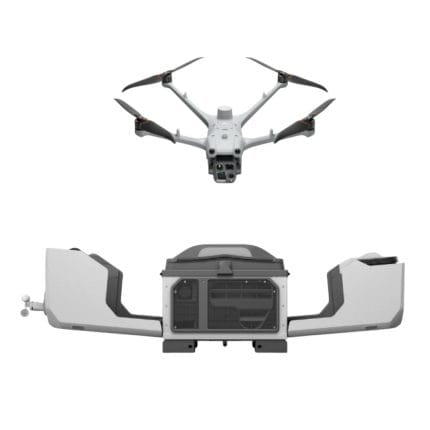
- Dock 3-compatible 4TD, drone only: labelled drone only and Dock 3-compatible, so it suits a setup planned around a Dock 3.
- Dock 3 with Matrice 4TD combo: the dock and aircraft together, for a remote-operation setup.
Once the label narrows your choice, open those packages side by side and compare the details on each product page.
Planning the wider workflow
DJI supports the 4TD in two ways: flown standalone with its appropriate controller, the DJI RC Plus 2 Enterprise, or operated remotely as part of a Dock 3 system. Decide which route fits your work before you choose a package, because the route shapes everything else you need around the aircraft.
If you fly a Mavic 3 Enterprise or a Matrice 4T, our accessories range includes parts named for those aircraft, such as a Mavic 3 Enterprise battery kit, propellers, RTK and speaker accessories, and a Matrice 4T battery.
Plan the flying side alongside the hardware. Which rules apply depends on the aircraft and the operation you have in mind, and the last question below points you to the CAA's current guidance.
DJI drone questions
Which of these DJI drones have a thermal camera?
The Matrice 4T, Matrice 4TD, Matrice 30T and Mavic 3T are all thermal models. The Matrice 4E is the exception: it is a survey drone without a thermal camera, so it is not the one to choose for heat viewing, even though it shares the Matrice 4 name.
What is the difference between the Matrice 4T and the Matrice 4E?
The difference is camera emphasis. The 4T adds a thermal camera for seeing heat. The 4E is built around survey photography, with a larger wide-camera sensor, a mechanical shutter and no thermal camera. The letter at the end of the name signals that emphasis, so choose the 4T when heat is what you need to see and the 4E when survey imagery comes first.
Should I choose the Mavic 3T or the Matrice 4T?
Both offer thermal and visible viewing, so the decision rests on detail rather than on whether thermal is present. Their thermal cameras share a native resolution in DJI's specifications but cover different fields of view, with the Mavic 3T's being wider. Weigh that coverage against the visible cameras, zoom, measurement tools, controller and software workflow, and battery compatibility of each exact model. Choose whichever combination suits your work, not simply the newer name.
Is a battery included with the Matrice 4TD?
That depends on the package. The standalone package excludes batteries, the Ready to Fly package includes battery, and the Dock 3-compatible version is drone only. The Dock 3 combo's description sets out what comes with the dock and aircraft. Pick the package whose stated contents match what you already own.
Do I need Dock 3 to use a Matrice 4TD?
No. DJI states that the 4TD can be used standalone with the appropriate controller, the DJI RC Plus 2 Enterprise. Dock 3 is a separate route, built around remote operation from a docking station. Choose the Dock 3 combo if remote operation is your plan, or a standalone 4TD package if you will fly with a controller in hand.
What should I read before flying a thermal drone in the UK?
Start with the CAA's current Drone Code guidance, which covers registration, training, airspace, privacy and the rules for operating a drone. What applies depends on the aircraft you choose and the flight you plan, so read it with both in mind before you fly.