Hawke
Hawke makes optics for sport, nature and marine use. This collection brings together the Hawke riflescopes, binoculars, marine monoculars, spotting scope and scope mounts we currently list. First choose the type of optic that suits what you want to do. Then compare models of that type.

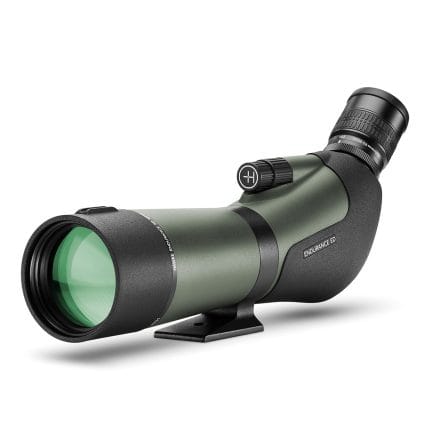
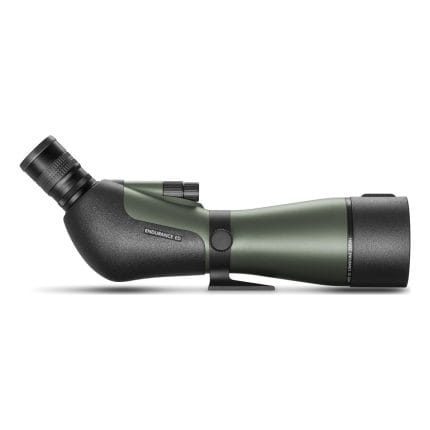
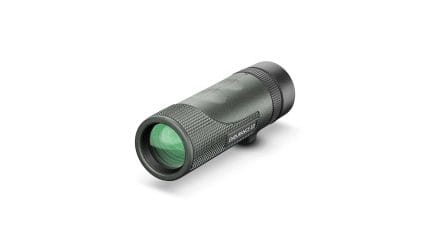
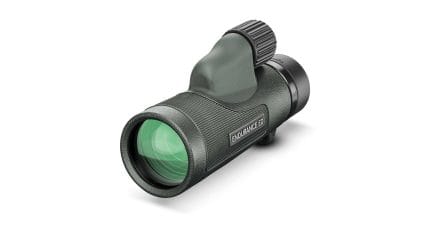
Choosing the right Hawke optic
Start with the format
Each format in this collection suits a different buying task.
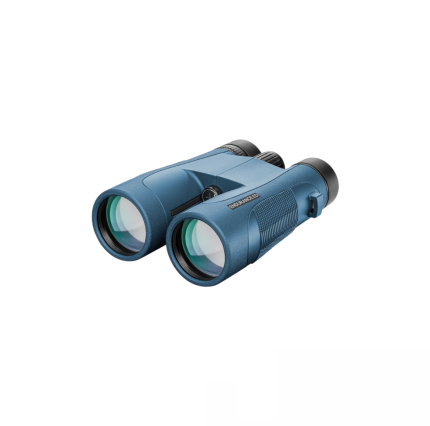
- Binoculars use both eyes. They suit scanning a landscape, watching wildlife or following activity on the water. Examples here include the Frontier LRF 8x42 and a marine 7x32 model.
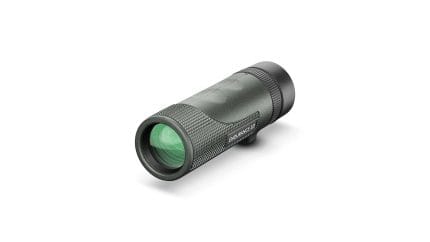
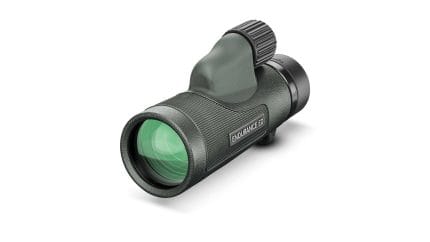
- Monoculars use one eye. The current selection includes marine monoculars.
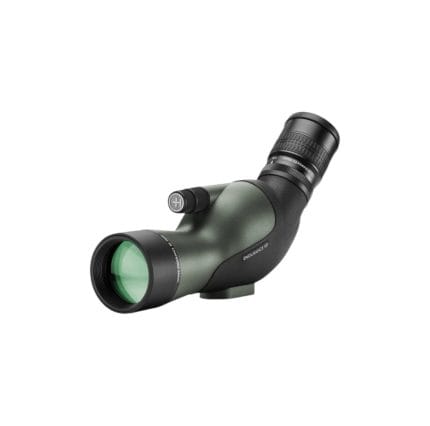
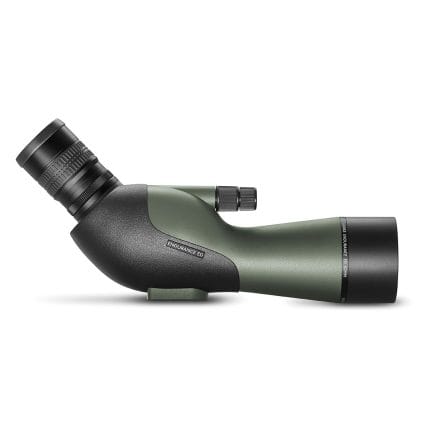
- Spotting scopes use one eye. They are generally chosen for higher-magnification viewing and are often used from a support. The Nature-Trek 13–39x56 is the example in this collection.
- Riflescopes are sighting optics made to be mounted, so you choose them against different criteria from observation optics. The collection includes models from the Airmax, Sidewinder and Endurance ranges, such as an Airmax 4–16x50.
- Mounts connect a riflescope to a mounting system. You can buy them separately, either alongside a new scope or for a scope you already own. Each mount needs checking for compatibility with your exact scope and mounting system.
These formats are not tied to one type of user. Plenty of people use a binocular for walks or on the water and a riflescope for sport.
Compare like with like
Once you have chosen a format, compare models of that type side by side. Magnification and objective size are a useful starting point, but they do not tell you everything. Field of view, eye relief, weight and handling vary between models, even between models with the same numbers. Use each product's own specifications.
The same applies across formats. One spotting scope will not necessarily offer more magnification than one binocular, and one binocular will not necessarily give a wider view, unless their published figures show it.
Marine optics
This collection includes marine binoculars and marine monoculars. If you need a feature such as a compass or a particular level of water resistance, confirm it on the individual product page. Do not assume it comes with the "marine" name.
Scopes and mounts
If you are buying a scope and mounts together, choose the scope first, because it narrows down the suitable mounts. If you are buying mounts on their own, start from the exact scope you own. In both cases, compatibility depends on more than one measurement. See "How do I check whether a mount will suit my Hawke scope?" below. Hawke mounts are also listed in our accessories category.
You can also compare other brands in our binoculars and riflescopes categories.
Hawke optics FAQs
What will I find in this Hawke collection?
You will find the Hawke products we currently list, covering sport, nature and marine use: riflescopes, binoculars, marine monoculars, a spotting scope and scope mounts. It is a selection, not Hawke's full range. The guide above explains which format suits which task.
How do I choose between a riflescope, binoculars, a monocular and a spotting scope?
Start with what you need the optic to do, then narrow down by how you will use it:
- Sighting or observation. If you need a sighting optic to mount, you are choosing a riflescope. That is a separate decision from buying an optic for watching and observing.
- Two eyes or one. Binoculars use both eyes. Monoculars and spotting scopes use one.
- Carrying and use. Binoculars and monoculars can be used handheld. Spotting scopes are often used from a support for higher-magnification viewing. Check each model's size and weight on its product page if you plan to carry it far.
- The actual figures. Magnification and field of view vary from model to model. Compare the published specifications of the products you are considering rather than assuming one format always outperforms another.
What do numbers like 8x42 or 4–16x50 mean?
On a binocular such as an 8x42, the first number is the magnification (8x). The second is the diameter of each objective lens in millimetres (42 mm).
A range such as 4–16x50 or 13–39x56 means the magnification can be adjusted across that range. The final number is still the objective lens diameter.
These numbers do not tell you a model's field of view, eye relief or weight. On a riflescope, the objective diameter is also a different measurement from the scope's tube diameter.
How do I check whether a mount will suit my Hawke scope?
No single mount suits every scope, and no one measurement settles it. Check the exact scope model and the mount you are considering against the manufacturers' compatibility information. Points to check include:
- the scope's tube diameter, which is a different measurement from the objective lens size
- the interface on the rail or base you plan to use
- ring height, including whether there is enough clearance for the objective housing
- any other model-specific geometry or restrictions the manufacturer lists for the scope or the mount
If the manufacturer information does not confirm a combination, treat its fit as unconfirmed.
Will a night-vision add-on work with any Hawke scope?
Not automatically. Whether an add-on suits a scope depends on both models, including eyepiece dimensions and whether an adapter is needed. Before you buy, check the add-on manufacturer's stated compatibility for your exact scope model.