THERMAL MONOCULARS
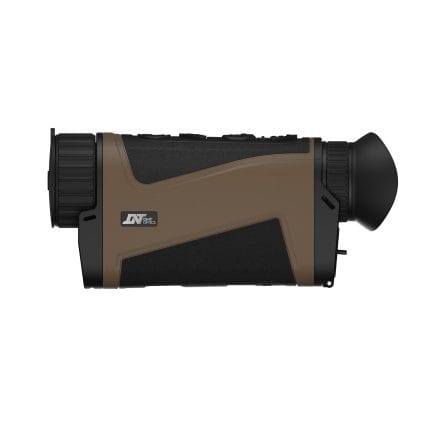
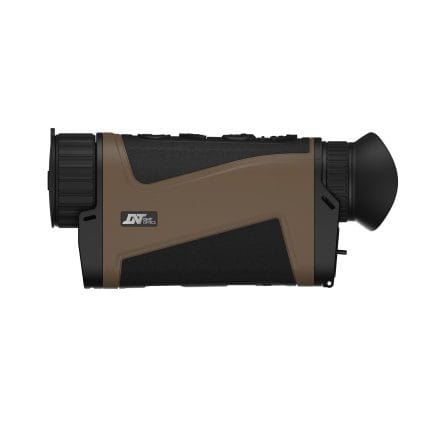
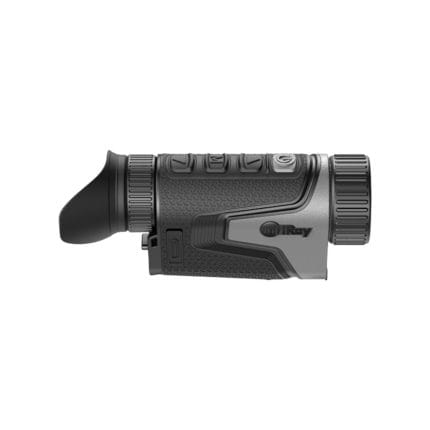
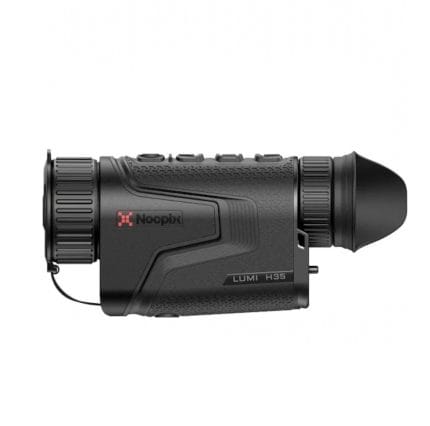
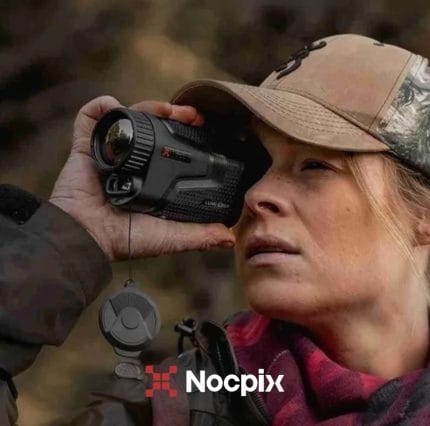
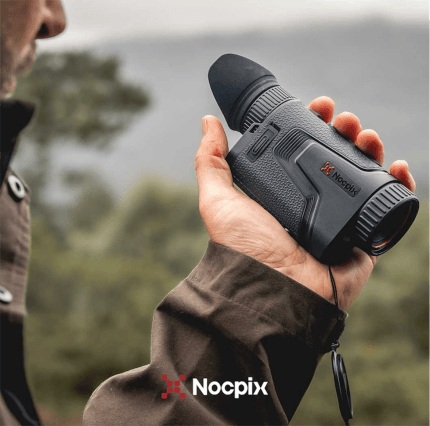
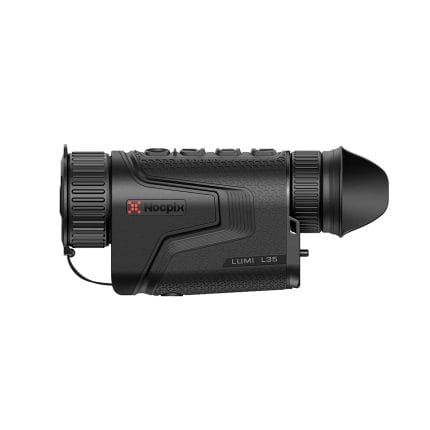
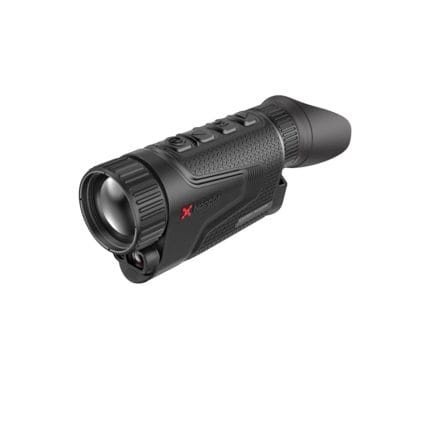
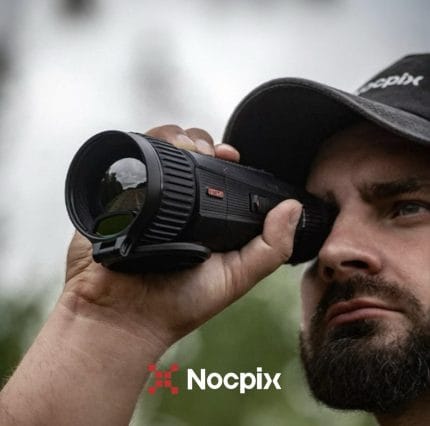
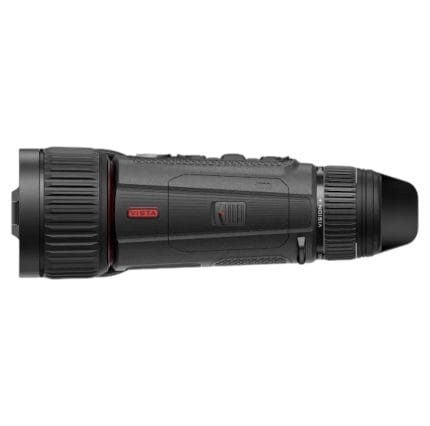
Browse handheld thermal monoculars, often called thermal spotters, from brands such as Pulsar, ThermTec, Nocpix, PARD, Pixfra, DNT Optics and RIX Optics. A thermal monocular forms its image from the longer-wave infrared radiation given off by objects, so it does not rely on visible light. That makes it useful for wildlife watching, stalking, land management and general observation in low light or darkness. Our range changes over time, and specifications vary by model and lens option. Compare detector resolution, lens and field of view, and check the manufacturer’s specification for any detail a listing doesn’t show.
How to Choose a Thermal Monocular
Start with how and where you plan to use the monocular. Then weigh up your budget, how portable it needs to be and how much image detail you want. Two monoculars at a similar price can suit very different users. A higher price or resolution does not make a model the right choice for everyone.
Detector Resolution and Image Detail
Detector resolution affects how much detail the image can show. More detail can help you recognise what you are looking at, rather than only seeing that something is there. The lens and the conditions at the time also affect what you can make out.
Lens and Field of View
Field of view sets how much of the scene you take in at once, which matters when you are scanning a wide area. The lens affects how distant subjects appear. Models in the same series can come with different lens options, so check the field of view for the exact version you are considering. If a listing doesn't show it, check the manufacturer's specification for that version.
Sensitivity
Sensitivity describes how well a detector picks up small differences in the infrared signal across a scene. It matters most when a subject and its background look similar to the device.
Handling, Controls and Features
Consider the weight and the button layout. Think about whether the device will be comfortable to hold for as long as you plan to use it. Features vary between models. Some include a built-in laser rangefinder, recording or app connectivity, and others are simpler. Confirm the features for the specific model you are considering.
Monocular or Another Thermal Format?
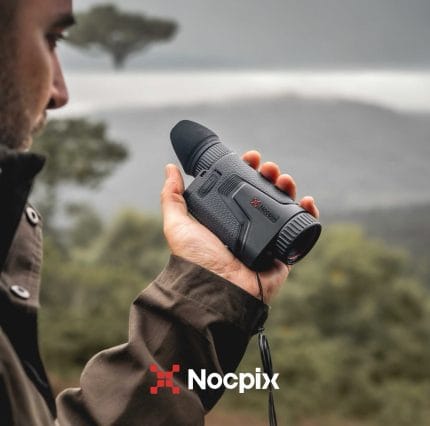
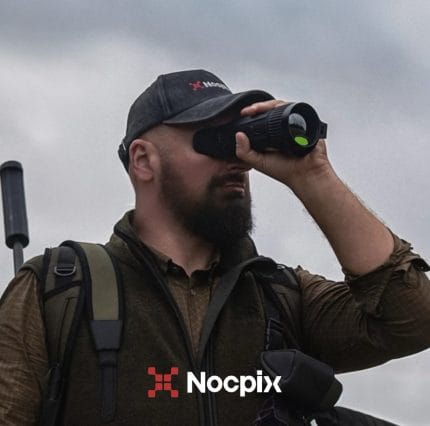
A thermal monocular is designed for handheld viewing with one eye. Other formats suit different needs:
- Thermal binoculars let you view with both eyes, which some people find more comfortable over longer sessions.
- Thermal rifle scopes are primarily designed as rifle-mounted sights. Some multi-function thermal devices are designed to work in more than one role, so check the configuration for a specific model.
- Night vision rifle scopes form their image from reflected visible or near-infrared light. That light sometimes comes from an infrared illuminator. Thermal devices instead detect the longer-wave infrared that objects give off.
Thermal Monocular FAQs
What is the difference between a thermal monocular and night vision?
A thermal monocular forms its image from the longer-wave infrared radiation that objects give off. It shows differences in that signal as contrast in the image. Night vision forms its image from reflected light, which can be visible light, near-infrared light or both. Digital night vision may need an infrared illuminator to give a usable image in very dark conditions, depending on the model and the conditions. So both technologies can involve infrared, but they work with different wavelengths in different ways.
Depending on the device and the conditions, a night vision image may be shown in monochrome or in colour. Neither technology is better in every situation. Thermal suits picking out subjects by contrast. A night vision image can look more familiar, depending on the device and the conditions. The right choice depends on what you want to see and where you usually observe.
Why might a warm animal not stand out clearly?
A thermal monocular shows how the infrared signal varies across a scene. It doesn't necessarily measure temperature, so the brightness of something on screen is not a temperature reading. A subject stands out when its apparent infrared signal differs clearly from its background. Contrast can be low when that difference is small. This can happen when the subject and background are at similar temperatures, or because of other conditions, including:
- how strongly the subject's and background's surfaces emit infrared
- reflections from nearby surfaces
- weather and the air between you and the subject
- the device's image processing and settings
This means a warm animal can sometimes blend into its surroundings. A subject cooler than its surroundings can still show clearly if the difference in signal is large enough.
Does a quoted detection range mean I can identify an animal at that distance?
No. A manufacturer's detection range refers to picking up that a heat source is present. Recognising or identifying what that source is needs more image detail, so those distances are assessed differently. What you can actually make out depends on the device, the subject's contrast and the conditions at the time.
Can a thermal monocular be used in daylight?
Thermal imaging does not rely on visible light, and some thermal monoculars are designed for use by day or night. Check the manufacturer's instructions for the model you are interested in. Image quality can still vary with contrast and environmental conditions at any time of day.
What should I check about batteries, running time and warranty?
Compare each model's battery type, charging method and any power accessories supplied. Manufacturer runtime figures are usually quoted under specific conditions. On models that have them, recording, Wi-Fi or a built-in rangefinder can shorten running time. Warranty and support terms can vary by product. Check the terms that apply to your chosen model and purchase, and confirm them with the seller or manufacturer before you buy.