ZEISS Riflescopes and Optics
ZEISS riflescopes in this range come from the Conquest V4, Conquest V6, Victory V8, LRP S3 and LRP S5 families. Most families are offered in several configurations. To find the right scope, settle the family and magnification first, then decide on the reticle, illumination and turret. Alongside the scopes there is a small choice of ZEISS binoculars, the Secacam 3 trail camera and Pro-Series supports.
Choosing a ZEISS riflescope
Make these decisions in order. Each one narrows the range before you reach the next.
- Family: Conquest V4, Conquest V6, Victory V8, LRP S3 or LRP S5. Families come in more than one configuration, so the family is where the choice starts rather than where it ends.
- Magnification and objective: sizes such as 3-12x56, 4-16x44 or 2-12x50. Settle this early, because reticle and turret options vary from size to size.
- Reticle and illumination: the aiming pattern you prefer, and whether you want it lit.
- Turret: the control arrangement you want, such as capped controls, an External Elevation Turret, a Locking Windage Turret or ASV H, where ZEISS offers it for that scope.
- Final details: compare tube diameter, field of view, weight and dimensions across your last two or three candidates. Tube diameter also determines which rings you need. If a value you need is not on the product page, check ZEISS's information, manual or datasheet for that exact model.
To weigh ZEISS against other makers before you settle on a configuration, browse the full riflescope range.
Magnification, view and handling
The magnification range sets how much you can see at once and how closely you can examine a target. At the low end of a range such as 3-12x the view is at its widest, which helps when quarry is close or moving. The top end gives you a closer look at something further away.
The objective is the figure after the x, and it gives the front lens diameter. A larger objective means a larger front end on the scope. That affects size and weight, and the scope must be mounted high enough for the objective to clear the barrel. If you stalk on foot, a more compact scope may suit you better. If you mostly shoot from a fixed position, size matters less. Either way, compare field of view, weight and size between the models you are considering.
Reticle and illumination
The reticle is the aiming pattern you see through the scope. Reticle 60, Z-PLEX, ZBi and ZMOA patterns all appear across this range. Within one family and size, the reticle is usually the quickest way to narrow the choice, so pick the pattern you find easiest to use at the distances you shoot.
Illumination lights the aiming pattern itself, so it stands out more clearly in poor light, such as at dawn and dusk. If you often shoot in those conditions, choose a configuration specified with an illuminated reticle.
Choosing the turret arrangement
Start with how you expect to use the controls: will you adjust elevation or windage in the field, or set the scope and leave it? The arrangement that suits you follows from that.
- Capped controls sit under protective caps. They suit a scope you set and then carry without touching, because the covers keep the controls protected.
- External turrets leave the controls readily accessible, so you can reach them directly without removing a cap first. They suit you if adjusting in the field is part of how you use the scope.
- A locking windage turret adds a lock to the external windage control. ZEISS describes it as helping prevent unintended movement while the rifle is carried or transported, which makes it worth considering if you want external controls and move the rifle often.
- ASV is ZEISS's optional ballistic turret. It is offered on relevant models as its own configuration, so choose a scope specified with ASV if a ballistic turret is part of your plan.
Covered and external controls are a choice between protection and direct access, not a ranking of quality. The configuration you choose determines which arrangement your scope has.
A worked example: Conquest V4 3-12x56
This size comes in three configurations that show how the reticle, illumination and turret decisions fit together.
- The Z-PLEX Reticle configuration is the one to look at if you want the Z-PLEX aiming pattern.
- The Illuminated Reticle 60 configuration pairs the Reticle 60 pattern with illumination. Choose it if a lit aiming point matters to you.
- The ASV H with Illuminated Reticle 60 configuration combines that illuminated reticle with the ASV H turret. Start here if you want both.
Decide the aiming pattern first, then whether you want it lit, then the turret. Other details can also differ between configurations, so compare the remaining specification of each before you choose.
ZEISS binoculars, trail camera and supports
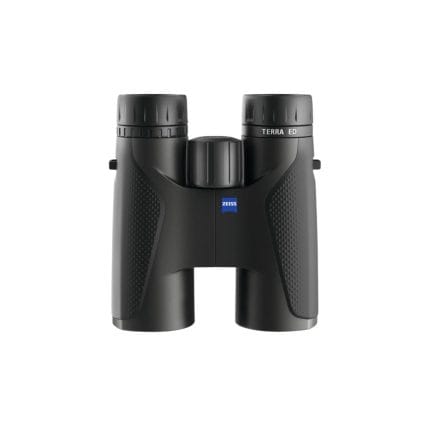
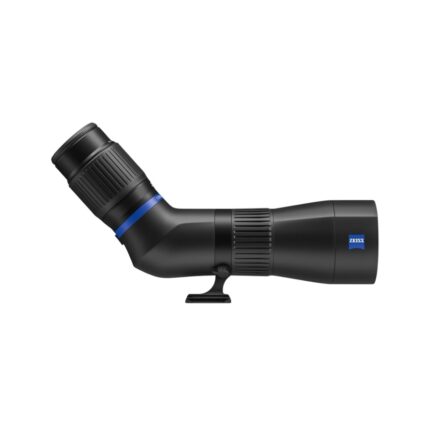
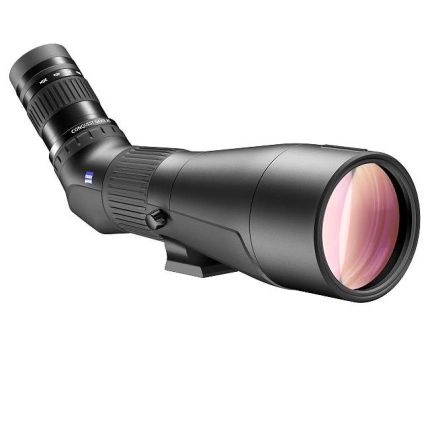
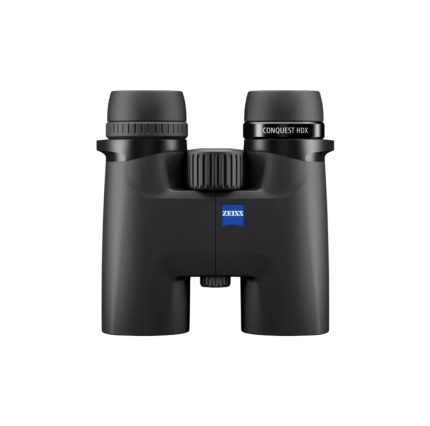
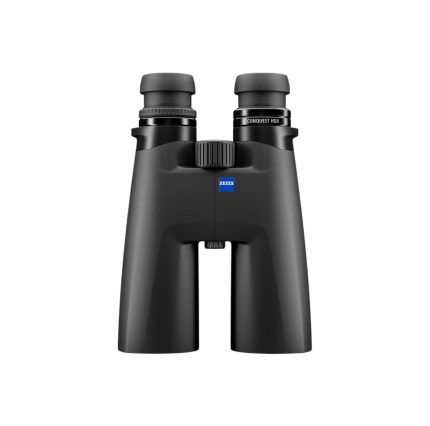
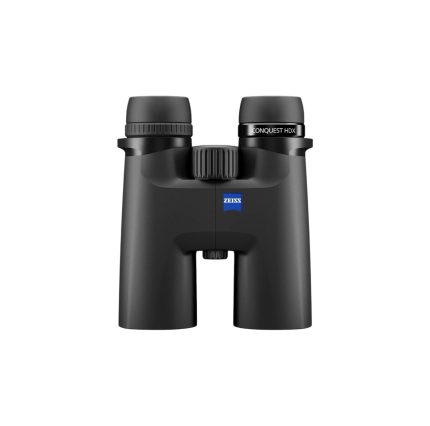
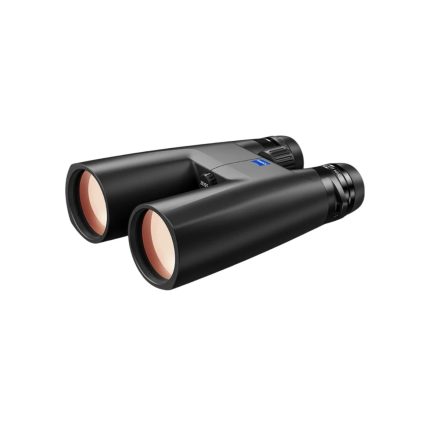
The ZEISS binoculars here are the Conquest HDX 8x32, the Conquest HDX 10x42 and Terra ED binoculars. The Secacam 3 trail camera is here as well. If observation is the main job, the ZEISS wildlife range brings ZEISS observation optics together. Our wider binoculars section lets you compare ZEISS with other brands.
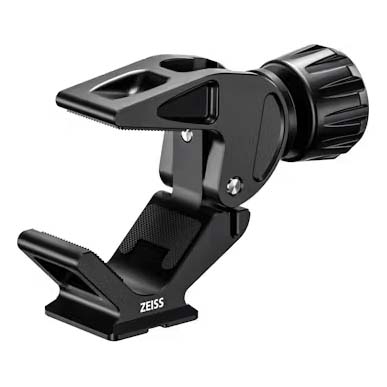
The Pro-Series Lightweight Carbon Fibre Tripod and the Pro-Series Rifle Saddle Clamp do different jobs. The tripod gives you a stable base, and the saddle clamp is for supporting a rifle. Choose by the role you need, then check that the head and interface suit the kit you already use.
ZEISS riflescope questions
What ZEISS products can I compare on this page?
Mainly riflescopes from the Conquest V4, Conquest V6, Victory V8, LRP S3 and LRP S5 families, in a range of configurations. The page also includes Conquest HDX 8x32 and 10x42 and Terra ED binoculars, the Secacam 3 trail camera and two Pro-Series support products. For a broader choice of observation optics, start with the ZEISS wildlife and binoculars sections above.
How do two configurations in the same family differ?
Usually in magnification and objective size, reticle, illumination and turret arrangement. Settle those in that order. Then compare tube diameter, field of view, weight and dimensions between your final candidates. If a detail you need is not shown, check ZEISS's documentation for that exact model. Do not assume two configurations match in every other respect.
What do 3-12x56 and 4-16x44 mean?
The first pair of numbers is the magnification range: 3 to 12 times, or 4 to 16 times. The number after the x is the objective lens diameter in millimetres, so 56mm or 44mm. Bigger figures are not automatically better. Weigh the field of view, weight and size of each model against how you will carry and use the scope.
Is ASV included on every ZEISS scope?
No. ASV is an optional ballistic turret that ZEISS offers on relevant models, including in its Conquest V6 range, so it comes with particular configurations rather than across the board. The Conquest V6 2-12x50 Reticle 60 ASV H is one example. If you want a ballistic turret, choose a configuration specified with ASV.
Can I change the turret on my scope later?
Do not assume so. Whether a scope bought in one turret configuration can be changed afterwards depends on the exact model and would need confirming with ZEISS. We cannot promise an ASV or other turret retrofit, so choose the configuration with the turret you want from the start.
Are the reticle and illumination the same on every version?
No. Reticle 60, Z-PLEX, ZBi and ZMOA patterns appear across the range, and illumination is part of some configurations. An illuminated reticle lights the aiming pattern so it is easier to see in poor light. Choose the pattern first, then decide whether you want it lit.