
Trail Camera for Wildlife & Hunting
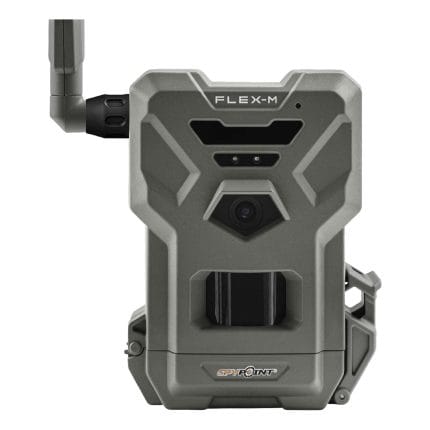
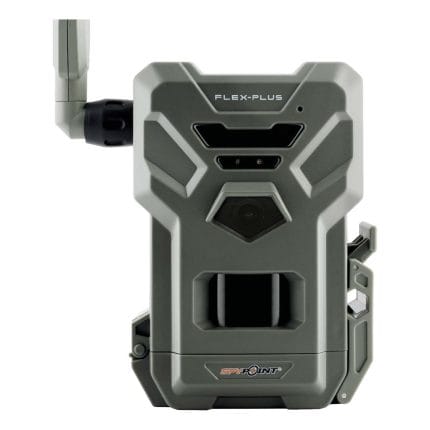
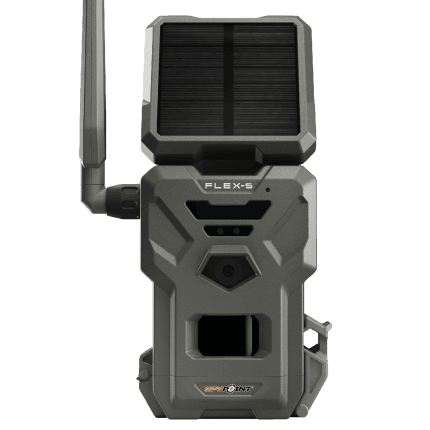
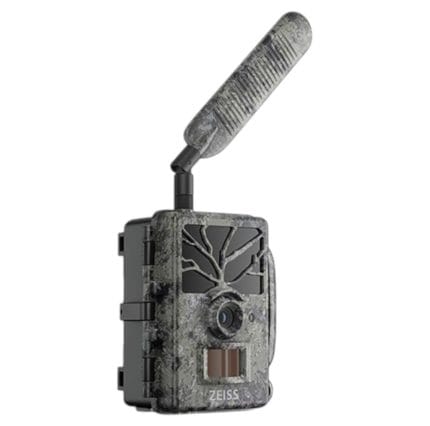
Trail cameras record activity at a chosen spot while you’re away. People use them to watch wildlife, keep an eye on land and for other appropriate observation. Our range includes models from ZEISS, SpyPoint and Browning. Cameras differ in where they keep recordings and whether they can send captures to you without a site visit. The guide below the products explains the main choices.
Choosing a trail camera
Where recordings are kept and how you get them
Storage and transfer are separate questions. Every trail camera has to store its recordings somewhere. Some can also send captures to you.
Storage on the camera. Recordings are saved to a memory card or to internal storage, depending on the model. A camera that sends captures may still keep them locally as well.
Collecting on a visit. You retrieve recordings when you go to the camera. This suits sites you visit regularly, or places where neither mobile signal nor Wi-Fi is available.
Nearby wireless download. Some cameras create their own Wi-Fi connection so you can download files to a phone while you're close by. This saves removing a card, but it doesn't give you remote access.
Remote viewing. Cellular cameras send eligible photos or footage over a mobile network to a supporting service, usually viewed in an app. Some other designs connect to a home Wi-Fi network instead, which can allow remote previews where that network reaches the camera. Check the exact camera's specification to see which, if any, of these it supports.
If you're considering a cellular camera, confirm these four points for that model and its service:
- whether there is usable signal where the camera will go
- which plan or subscription it needs, and the running cost
- how the SIM is supplied
- whether it sends photos, video or both
Triggered or interval capture
Triggered capture records when the camera's sensor detects activity. It suits recording visits, such as an animal using a path or feeding spot.
Interval (time-lapse) capture records at set times, whether or not anything sets off the sensor. It suits building a regular record of a scene.
Some cameras offer both. The ZEISS Secacam 3 manual, for example, documents a time-lapse setting as well as motion-triggered recording. How the modes are selected, and whether they can run together, varies by model.
Reading image specifications
The headline image size doesn't tell the whole story.
- Native or interpolated resolution: Some manufacturers quote an output size larger than the sensor captures natively, with the extra pixels interpolated. The ZEISS Secacam 5 Wide Angle manual, for instance, gives both figures. Where both are stated, native resolution is the fairer basis for comparison. No resolution figure on its own tells you how good the images will look.
- Field of view: At the same distance, a wider angle takes in more of the scene, and a given subject fills less of the frame. Detail also depends on the sensor, resolution, aspect ratio and lens, so the width of view alone won't show which camera captures more.
- Sample images and footage: These are the most direct guide to what a camera produces, particularly at the distances you have in mind.
Power, storage and what's in the box
These vary from model to model, and bundles may differ from single units. For the exact listing you're considering, look at:
- the battery type and how many it takes
- whether it records to a memory card or to internal storage
- the supported card type and maximum capacity, if it uses a card
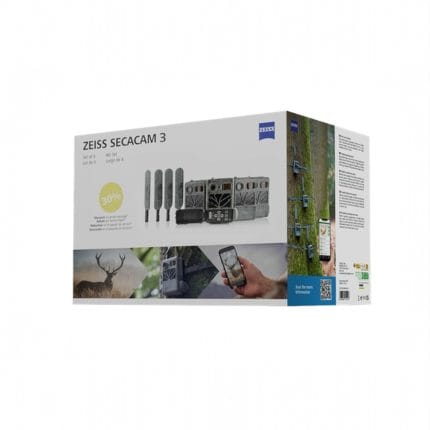
- which items are included
Related categories
Frequently asked questions
How does a trail camera's sensor decide when to record?
Many trail cameras use a passive infrared (PIR) sensor, which reacts to moving sources of heat such as an animal crossing in front of it. According to the ZEISS Secacam 3 manual, you can adjust that camera's sensor sensitivity. A higher setting responds more readily, and a lower one ignores weaker signals. Sensor types and available settings differ between cameras.
Can I see captures on my phone without a cellular camera?
It depends on the camera. Some create a Wi-Fi hotspot that your phone connects to directly, so you can browse and download files while you're near the camera. That is local transfer, not remote access. Other designs join a home Wi-Fi network, which can allow remote previews if the camera is within range of that network. Where there's no suitable Wi-Fi, a cellular camera is one way to receive captures remotely, subject to signal and a service plan. The specification for each camera shows which connection options it has.
What makes the difference to night-time images?
The type of illumination is one factor that affects night-time image quality. Where a camera uses infrared illumination, night images are often black and white. Some cameras can use a visible flash instead to produce colour images, depending on the model and its settings. Distance also matters, because a subject further from the camera appears smaller and less detailed. To compare cameras, look at which illumination each uses and at night samples taken at distances and in lighting similar to yours. Manufacturer samples show what a camera can produce, but they aren't standardised tests, and results at your own site may differ.
Why does my camera take photos when no animal is there?
One possible cause is that something other than an animal has set off the sensor. The ZEISS Secacam 3 manual gives an example: branches warmed by sunlight and moving in the wind. Angling the camera away from that vegetation, or lowering the sensitivity where the camera allows it, may help. Other causes are possible, so your camera's manufacturer guidance is the best place to start.
Do all trail cameras use an SD card?
No. Some record to internal storage instead. If a camera takes a card, use a type and capacity the manufacturer lists as supported. Batteries are a separate requirement. A card or batteries may or may not be included, so check the listing for the exact camera or bundle.