Pulsar Thermal Optics and Accessories

Choose from Pulsar thermal monoculars, thermal binoculars and thermal riflescopes, alongside Krypton 2 clip-ons, multispectral Symbion binoculars and the batteries and chargers that power them. Telos, Oryx and Axion monoculars suit handheld scanning on the move. Merger binoculars give a two-eye view. Thermion 2, Thermion 3 and Trail 3 scopes are made for rifle use. Start with how you will hold or mount the device, then compare models and power systems below.




Choosing a Pulsar thermal format
Start with how you will use the device. You might hold it in one hand, raise it to both eyes, mount it on a rifle or attach it to an optic you already own. Each format in this range suits one of those uses.
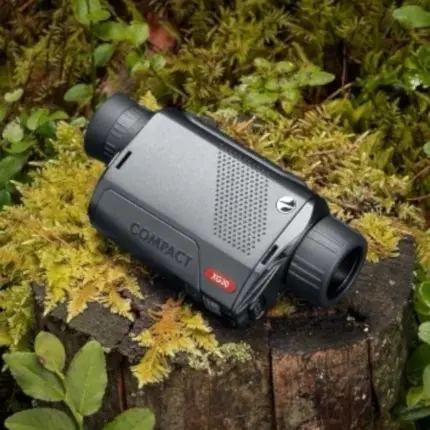
- Thermal monoculars: Telos, Oryx and Axion models have a single eyepiece, so you can raise the device, scan and lower it again with one hand while you keep moving. The Telos line includes standard and LRF versions. Compare more single-eyepiece options in our thermal monoculars range.
- Thermal binoculars: Merger LRF models give a two-eye view. You keep both eyes open on the image and hold the device in both hands, which suits longer spells of watching from one position. The wider thermal binoculars category shows them alongside other brands.
- Multispectral binoculars: Symbion LRF binoculars combine thermal imaging with another viewing channel.
- Thermal riflescopes: Thermion 2, Thermion 3 and Trail 3 scopes mount on the rifle as the sight itself. Variants with LRF in the name add a built-in laser rangefinder.
- Thermal clip-ons: Krypton 2 models such as the FXQ35 and FXG50 attach to a compatible day optic, adding thermal imaging to a setup you already use without replacing your day scope. Choose the clip-on and its attachment method together with the optic you plan to use it on.
If watching wildlife is your main reason for buying, our Pulsar Wildlife page narrows the range to observation-led models.
Comparing the view and handling
Within each family, a letter-and-number code such as XQ35, XP50 or XL50 marks a separate variant. Compare the stated figures for each model rather than judging by the family name. Four points usually decide the choice:
- Field of view: A wider stated field makes it easier to sweep open ground and notice movement. A narrower field covers a smaller area at once.
- Base magnification: Higher base magnification helps you examine something further away, but it shows less of the scene at once. Match it to the distances you usually work at.
- Image detail: Once you have spotted something, image detail decides how much shape and outline you can make out. That matters more than simply seeing a warm spot.
- Weight and handling: If you will scan for long periods or carry a scope on the rifle all evening, compare stated weights and think about how the controls suit your hands and the rest of your kit.
An LRF version adds distance measurement to the same view. That helps when you need to know how far away something is rather than estimate it.
Batteries and chargers
Pulsar devices run on separate battery systems, each with its own packs and chargers. Here you can compare APS2, APS3 and APS5 packs with the APS battery charger and the APS-V 2-slot charger; IPS7 and IPS14 packs with the IPS battery charger; and the LPS 7i pack, designed for Telos. To choose the right combination:
- Pick the pack made for your exact device and its generation.
- Pick a charger that names your pack type in its listing.
- If you are adding a spare to existing kit, check whether you also need a charger for that pack.
Rifle mounts and clip-on fitting
For rifle setups, this category includes Innomount quick-release mounts in two-piece, one-piece and offset one-piece designs. These are third-party mounts rather than Pulsar products. Choose one to suit your scope's mounting interface and your rifle's rail or base.
Fitting a Krypton 2 is a separate check. Match the clip-on model to your day optic and confirm the adapter that joins them.
Pulsar thermal FAQs
Should I start with a monocular, binoculars or a riflescope?
Start with how you will hold the device. A monocular suits scanning on the move with one hand. Binoculars suit longer watching with both eyes. A riflescope serves as the sight on your rifle. A Krypton 2 clip-on adds thermal imaging to an optic you already use.
What does LRF mean in a Pulsar model name?
LRF stands for laser rangefinder, a built-in function that measures the distance to what you are viewing. It applies to models with LRF in their name. For example, the Telos LRF XP50 has a rangefinder and the Telos XP50 is the version without one. Ranging capability varies between models, so compare the stated figures for the exact variant.
Once I detect something, will I be able to tell what it is?
Not always at the same distance. Detecting a heat source is easier than recognising or identifying it. How much you can make out depends on the model's magnification and image detail, and also on contrast and conditions at the time. If identifying things at distance matters to you, give those factors priority when you compare models.
Are APS, IPS and LPS batteries interchangeable?
Treat them as separate systems, each with its own packs and chargers. Choose the pack made for your exact device and generation, then a charger that names that pack type.
What should I do if a spare battery will not charge?
Follow the charging method in the manual for your device or battery. Check that the pack and charger are connected as the manual describes, and read the charge indicators using the manual's explanation of what they mean. Charge only with equipment and methods your manual approves. If the fault continues, contact support about that specific pack.
How can I check that a mount or clip-on will fit my setup?
Before you order, note three details: the exact model of your scope or day optic, its mounting interface (and, for a rifle, the rail or base), and the mount or adapter you plan to use. Choose a mount or adapter whose stated fit covers all three, taking particular care with third-party mounts.