
Marine Binoculars
Our marine binoculars are a selection of Hawke Endurance ED Marine models for boating, coastal walks and waterside viewing. Choose from a 7×32, a 7×50 or a 7×50 with a built-in compass. All three use 7x magnification, so the main decisions are lens size and whether you want a compass. Compare the three models below, or scroll down for help choosing.
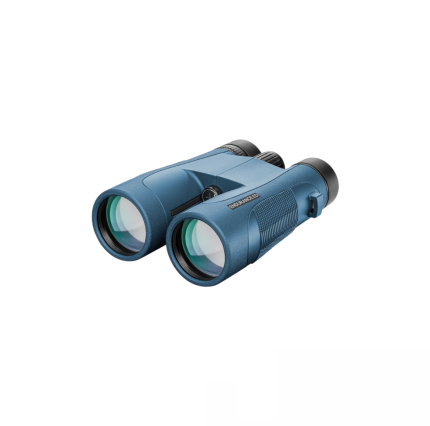
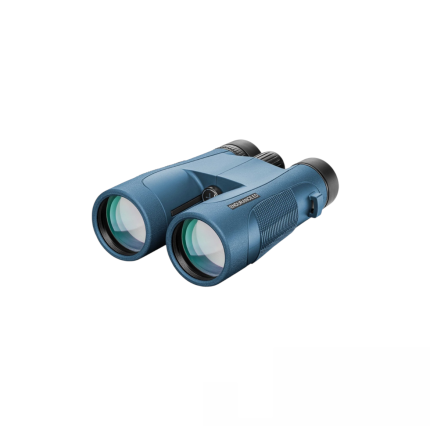
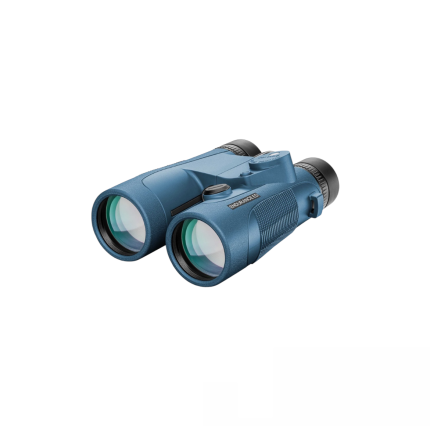
Choosing between the three Hawke marine models
Every binocular in this range magnifies 7x, so magnification isn't what separates them. A modest magnification also helps keep the image manageable when you're holding binoculars on a moving deck. Your choice comes down to two questions. Do you want 32 mm or 50 mm objective lenses? If you choose 50 mm, do you want a built-in compass?
| Model | Magnification | Objective diameter | Compass |
|---|---|---|---|
| Hawke Endurance ED Marine 7x32 | 7x | 32 mm | No |
| Hawke Endurance ED Marine 7x50 | 7x | 50 mm | No |
| Hawke Endurance ED Marine 7x50 Compass | 7x | 50 mm | Yes |
7x32 or 7x50: what the larger lens changes
The second number in each model name is the diameter of the front (objective) lenses in millimetres. Larger objective lenses can take in more light. That tends to matter most when there isn't much light to begin with, such as early in the morning, late in the evening or under a heavy, overcast sky. In good daylight the difference is usually far less noticeable. How bright and clear the view looks in practice also depends on the binocular's overall design and on your own eyes, so the bigger lens isn't automatically the right choice.
The trade-off is size. Larger objective lenses generally mean a bigger, heavier binocular. You'll notice that over a long watch or when you're holding on with one hand. A smaller pair is easier to keep around your neck and quicker to raise for a brief look. Compare size, weight and field of view across the models you're considering, and weigh them against how you'll actually use the binoculars.
- Choose the 7x32 if you mostly view in daylight and want a more compact pair that's easy to carry and handle.
- Choose the 7x50 if you often look out at dawn, at dusk or under heavy cloud and don't mind the extra bulk.
Do you need the compass version?
The Hawke Endurance ED Marine 7x50 Compass uses the same 7x50 format with a compass built in. You can take a bearing on a landmark, buoy or another vessel while it's still in view. You don't need to lower the binoculars and reach for a separate compass. If that's how you expect to use them, the compass model is the one to look at. If you mainly want to watch the coastline, wildlife or other boats, the standard 7x50 or the 7x32 keeps things simpler. Choosing between the two 7x50s comes down to whether you'd use a compass often enough to want it built in.
Handling on the water
Optical figures only tell part of the story afloat. It's also worth considering:
- Grip: whether you can hold them securely with wet or gloved hands.
- Focus: how focus is adjusted, and whether you can reach the control easily while bracing yourself.
- Eyewear fit: the eye relief and eyecup design, especially if you wear glasses or sunglasses on deck.
- Weather protection: how each model is protected against water and fogging, particularly if it will face spray and rain.
- Keeping them safe on board: waterproofing keeps water out, but it doesn't make binoculars float. A neck strap keeps them with you on deck. If flotation matters, check whether the model you choose is designed to float. If you choose a floating strap instead, make sure it is designed for a binocular of that size and weight and that it fits your model.
If you'll mostly be viewing from land and want more choice of magnification and size, browse our wider binoculars range. If you'd prefer a single-eyepiece optic, our monoculars are a one-eye alternative.
Frequently asked questions
What is the difference between 7x32 and 7x50 marine binoculars?
Both magnify 7x. The 32 and 50 refer to the diameter of the objective lenses in millimetres. The larger lenses of the 7x50 can take in more light, and many people find that helpful at dawn, at dusk or in poor weather. The 7x32 is generally the more compact pair and easier to carry and hold. Neither suits everyone. Think about the light you usually view in and how long you'll be holding them.
What does the compass model add?
The 7x50 Compass adds a built-in compass to the 7x50 binocular. You can read a bearing on what you're looking at without switching to a separate compass. It uses the same 7x50 format, so choose it if an integrated compass suits the way you use binoculars on the water.
Do marine binoculars float?
Not necessarily. Waterproofing and buoyancy are different things. Some marine binoculars have a body designed to float, and others don't. Before relying on flotation, check whether the specific model is described as floating. If you're considering a floating strap, choose one designed for that binocular's size and weight. Check that it is compatible before you take the binoculars on the water.
Are these binoculars suitable if I wear glasses?
That depends mainly on eye relief. Eye relief is the distance behind the eyepiece at which your eye can still see the full field of view. Glasses hold your eyes further from the eyepieces, so look for generous eye relief and eyecups you can fold or twist down. Fit also varies with your glasses and face shape, so compare eye relief across the models you're considering.
Can I use marine binoculars at dusk or at night?
They can help in low light, such as at dawn or dusk. Larger 50 mm objectives can take in more light than 32 mm ones, which is why many people choose a 7x50 for these conditions. The view you get still depends on the overall design and on your eyes. They are ordinary optical binoculars and work with whatever light is available. They can't produce an image in complete darkness, and they aren't thermal or digital night-vision devices.
Can I also use them from the shore?
Yes. Nothing about these binoculars limits them to boats. The modest 7x magnification gives a view that's easy to hold steady. That suits watching shipping from the coast, birds on an estuary or general viewing on a walk. Whether they're the best choice ashore depends on what you watch and how far you'll carry them. The 7x32 is easier to take on a long walk. For distant wildlife you may prefer more magnification, which you'll find in our wider binoculars range.