


DNT Optics
Our DNT Optics range covers several kinds of product. It includes digital day/night riflescopes, thermal scopes, combined thermal and night-vision scopes and handheld thermal monoculars. It also includes a conventional optical riflescope and accessories such as mounts and IR modules, so not every product here is a thermal or night-vision device.
Start with the task. You might want to scan by hand, view through a scope or add a part to a device you already own. Then compare individual models within the family that fits.


DNT NVMD-C200 Night Vision Multi-Purpose Scope
Original price was: £499.95.£449.95Current price is: £449.95.
DNT Optics H325R HOUND Thermal Monocular
Original price was: £899.99.£809.95Current price is: £809.95.
DNT Optics H635R HOUND Thermal Monocular
Original price was: £1,499.99.£1,349.95Current price is: £1,349.95.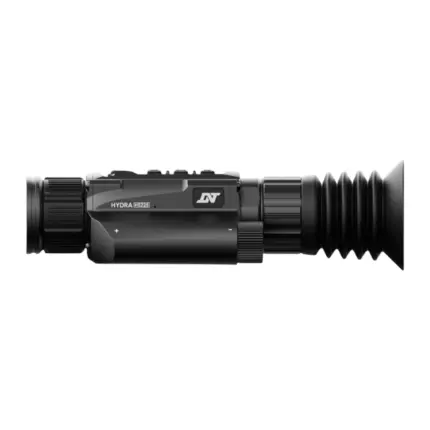
DNT Optics Hydra 256×192 25mm Multi-Function Thermal Scope
Original price was: £799.99.£699.99Current price is: £699.99.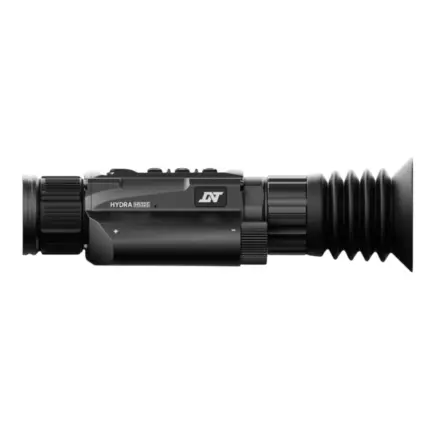
DNT Optics Hydra 384 x288 25mm Multi Function Thermal Scope
Original price was: £1,199.99.£999.99Current price is: £999.99.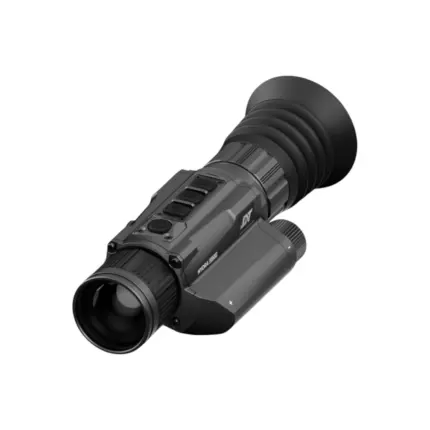
DNT Optics Hydra 640×512 35mm Multi-Function Thermal Scope – Standalone Scope
Original price was: £1,999.99.£1,799.99Current price is: £1,799.99.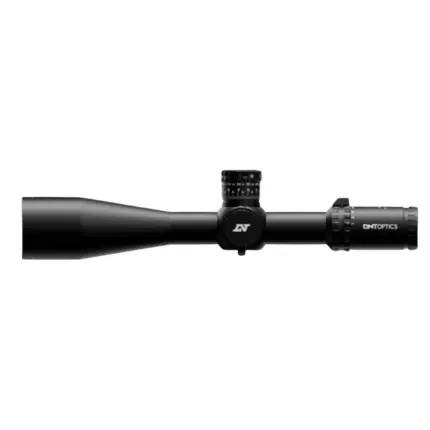

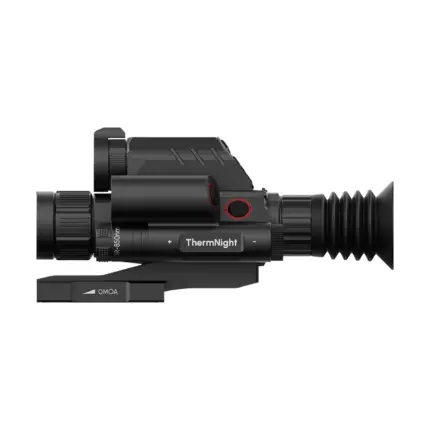
DNT ThermNight TNC225R LRF Multispectral Scope
Original price was: £999.99.£809.95Current price is: £809.95.
DNT ThermNight TNC335R Multispectral Scope
Original price was: £1,799.95.£1,595.00Current price is: £1,595.00.Choosing a DNT device by task
DNT product families are built around different viewing tasks. Some multi-function devices can fit more than one role.
- Handheld thermal observation: the HOUND H635R and H325R are thermal monoculars. They suit scanning and observation without a scope-format device.
- Digital day/night riflescopes: ZULUS is DNT's digital day/night family. Listings include the ZULUS HD 3-12X V2, HD 5-20X V2 LRF and ZULUS 4K Tube LRF.
- Thermal scopes: Hydra listings are titled as multi-function thermal scopes, with 256×192, 384×288 and 640×512 sensor versions. One 640×512 listing is titled as a standalone scope. Configurations and supplied parts can differ between Hydra listings, so don't assume every version arrives set up for every use.
- Thermal and night vision in one device: ThermNight combines thermal and digital night-vision imaging. It is aimed at buyers who would otherwise weigh up two separate devices.
- Multi-purpose night vision: the NVMD-C200 is presented by DNT as a multi-purpose night-vision device. Check that the exact formats you need are supported before you buy.
- Daytime optical riflescope: TheOne 7-35×56 is a first focal plane, illuminated, 34mm optical riflescope with zero stop. It has no thermal or digital imaging.
- Accessories: mounts, a ZULUS focus throw lever and IR modules are sold as separate products.
How thermal and digital night vision see differently
Thermal imaging detects longer-wavelength thermal infrared. Infrared is electromagnetic radiation, just like visible light, but it lies at wavelengths the eye can't see. A thermal device therefore doesn't need visible light to form an image.
Two important contributors make up the radiation reaching the sensor from the scene:
- radiation emitted by surfaces in the scene
- radiation reflected from those surfaces
The air between the scene and the device also affects the signal. It can weaken what arrives, and it can add some radiation of its own. The balance between these factors varies with material, surface finish and weather. Humidity, rain, fog and distance can all change what the image shows. Thermal is often helpful for picking out a subject whose signal differs from its surroundings, including in darkness. It renders a scene differently from the eye, though, so fine surface detail may be limited.
Digital night vision forms an image from visible and near-infrared light. With enough ambient light, it can show surface detail and texture. In darker scenes, it may need or benefit from an infrared illuminator, either built in or added, depending on the device and the scene. Image clarity then depends on the illuminator, the distance, the light level and the weather.
Multispectral devices such as ThermNight put both imaging types in one unit. This means they offer thermal capability as well as digital night vision. How the two views are presented and switched can differ between models. No imaging type performs the same in every condition.
Comparing models within a family
Once you have chosen a family, the differences between versions usually come down to a few trade-offs:
- Sensor and lens: Hydra listing titles show different sensor resolutions and lens sizes, such as 256×192 25mm and 640×512 35mm. Compare figures within the same family, because specifications from one DNT family don't carry over to another.
- Field of view: a wider field of view shows more of the scene, which helps when scanning. A narrower field of view shows less of the scene. With a comparable sensor and optics, it can put more pixels on a distant subject. Usable image quality also depends on the display, focus and conditions.
- Magnification range: ZULUS HD listings include 3-12X and 5-20X versions. Think about whether you mostly observe at closer or longer distances.
- Rangefinder: some versions are labelled LRF and others are not. See the FAQ below.
- Format and handling: a handheld monocular, a scope-format device and a multi-function unit each suit a different working style. Think about how you will actually carry and use the device.
- What's supplied: included items such as batteries, mounts and add-ons can vary between products and versions. Confirm exactly what's included before purchase.
Accessories: start with the device you own
The DNT mounts in this category include:
- the QDS150 one-piece quick detach Picatinny mount
- a Picatinny 0MOA standard digital scope mount
- the DM35L long dovetail mount
There is also a ZULUS focus throw lever. Product names show what an accessory is intended for, but they are not a full compatibility list. Before ordering, note your device's exact model and version and your existing mounting interface. If your device isn't clearly named, check exact compatibility before purchase.
Browse related categories
These categories cover each product type across brands. A multi-function device may be relevant to more than one of them.
- Thermal rifle scopes
- Night-vision rifle scopes
- Multispectral rifle scopes
- Thermal monoculars
- Accessories
DNT Optics FAQs
Is every DNT Optics product a thermal or night-vision device?
No. The range mixes imaging devices with products that don't create an image themselves. Examples in this category include:
- Thermal: Hydra scopes and HOUND monoculars.
- Thermal and digital night vision combined: ThermNight scopes.
- Digital night vision: ZULUS scopes and the NVMD-C200.
- Conventional optical: TheOne 7-35×56 riflescope.
- Accessories: mounts, the ZULUS focus throw lever and IR modules.
What is the difference between a DNT ZULUS and a ThermNight?
ZULUS is DNT's digital day/night family. It builds its image from visible and near-infrared light, and in darker scenes it may rely on IR illumination. ThermNight adds thermal imaging alongside digital night vision in one device.
A ZULUS model may suit your viewing if you usually have enough ambient light or IR illumination to see surface features. The detail you actually get will still depend on the model, lighting, distance and scene. If you also want thermal, without buying two separate devices, compare ThermNight models.
Features, power and LRF availability differ by variant, so compare specific models rather than whole families.
Does every DNT model include a laser rangefinder?
It depends on the exact model and version. These listings include "LRF" in the product name:
- ZULUS HD 3-12X V2 LRF
- ZULUS HD 5-20X V2 LRF
- ZULUS 4K Tube LRF
- ThermNight TNC225R LRF
- ThermNight TNC635R LRF
- ThermNight 4K TNC4K219R LRF
One ZULUS HD 3-12X V2 listing doesn't include LRF in its name. That alone doesn't tell you whether that exact version has a rangefinder, because title wording isn't conclusive either way. DNT's user documentation for the ZULUS HD V2 describes the rangefinder as model-dependent. Check the manufacturer's specification for the exact model and version you are considering. Where a rangefinder is fitted, its readings can vary with the model, the target and the conditions.
How do I choose a compatible DNT IR module?
Start with the exact model and version of your device. The two IR module listings are titled for different devices:
- ZULUS V1: one listing is titled for this device.
- ZULUS V2 and ThermNight 335/635: the other listing is titled for these devices.
These titles show which devices each module is intended for, but they are not a tested compatibility chart. Your device might not be named, for example a ThermNight TNC225R or TNC4K219R. In that case, treat fit as unconfirmed. Check exact compatibility, wavelength and the included parts before purchase.
Is thermal or digital night vision better for spotting versus recognising detail?
They do different things well. Thermal often makes a subject easier to notice when its signal contrasts with the background, which helps when scanning a wide area. Digital night vision, with enough light or illumination, can show surface features such as markings and texture that thermal may render less clearly.
Distance, sensor, lens and weather affect both types. Neither type guarantees detection or recognition at a set range.
Does a thermal image show the actual temperature of what I'm looking at?
Not necessarily. An observation thermal image shows differences in received signal as brightness or colour. That signal includes reflected radiation as well as emitted radiation, and the air in between can also affect it. A brighter area therefore isn't always a warmer one. Don't treat a standard observation image as a calibrated temperature measurement unless the specification for that exact product says it measures temperature.