

MULTI-SPECTRAL RIFLESCOPES
Multispectral riflescopes combine more than one imaging channel in a single sight. The models here typically pair a thermal channel with a digital day/night channel. Each channel captures different information, so compare them separately instead of relying on one headline figure. Features, display modes and supplied accessories vary between models. If you only need one technology, see our thermal rifle scopes and night-vision rifle scopes.




What makes a riflescope multispectral?
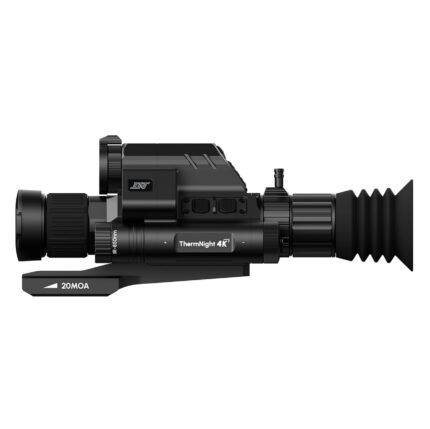
A multispectral sight gathers images from more than one part of the spectrum. Many models combine a thermal sensor with a digital channel that works with visible light and, in many cases, near-infrared light. DNT, for example, describes its ThermNight family as combining thermal imaging and digital night vision in one device.
The exact combination depends on the device, and so do the display options. Some sights switch between channels, some offer picture-in-picture, and some devices on the wider market offer blended views. No single configuration is standard across the category.
How thermal and digital channels differ
Thermal channel. A thermal channel responds to infrared radiation from the scene and does not need visible light. Three things shape that radiation:
- what surfaces emit
- what they reflect
- how the atmosphere between you and the subject affects it
A thermal image therefore shows differences in received infrared signal. It should not be read as a calibrated temperature measurement unless the device is designed to provide one, as some radiometric devices are. The same scene can look quite different as conditions change.
Digital channel. A digital channel works with visible light, and some digital channels are also sensitive to near-infrared. It can show surface detail and markings that thermal imaging may not separate. In darkness, a near-infrared-sensitive channel may need a compatible infrared illuminator to produce a usable image. Whether that applies depends on the specific model.
Why combine them. Having both views in one sight lets you compare two kinds of information. It does not guarantee better identification, performance in every kind of weather, or a better result for every buyer.
Compare each channel on its own terms
The headline numbers on multispectral sights can refer to different channels, so read them carefully. A sight can have a "4K" digital day/night channel alongside a thermal sensor with a different resolution. A single prominent figure on the box or in the product title may describe only one channel.
For each channel, compare:
- sensor resolution
- lens
- base and digital magnification
- stated field of view
A higher sensor pixel count does not by itself guarantee more usable detail, even between devices that look similar on paper. Optics, field of view and viewing conditions all affect what you can actually make out.
Viewing modes, rangefinders and illumination
Some sights in this category are sold in LRF (laser rangefinder) versions. Some offer channel switching or picture-in-picture. DNT describes both switching and picture-in-picture for the ThermNight family. These modes can help you compare what each channel shows within one device. They are not universal, and they work differently between models, so treat each as a model-specific feature.
Infrared illumination matters for digital channels that are sensitive to near-infrared, on models designed to work with an illuminator. Depending on the model and package, an illuminator may be built in, supplied separately or not included.
Field of view, detection range and handling
A wider field of view helps you scan and follow movement. A narrower one shows less of the scene. Whether it also puts more pixels on a distant subject depends on:
- the sensor's sampling
- the lens
- any crop or digital zoom
- conditions
A narrower field of view on one model therefore does not automatically mean more pixels on target than a wider one on another.
Manufacturer detection ranges come from specific test assumptions and conditions. They describe when something may register, not when you can be confident what it is.
Also compare weight, power source, runtime and control layout. These shape day-to-day use as much as sensor figures do.
Before you choose
Confirm the following on the individual product listing and the manufacturer documentation for that exact model:
- the precise UK variant
- the display modes
- whether an LRF or infrared illuminator is included
- the power arrangement
- the supplied accessories
Mounting compatibility with your rifle and existing equipment also needs checking for the specific sight. Do not assume fit across the category.
Multispectral riflescope FAQs
What does "multispectral" mean on a riflescope?
It means the sight images the scene in more than one part of the spectrum. On the models in this category, that is typically a thermal channel paired with a digital day/night channel. DNT's ThermNight family is one documented example. The exact channels and how they are displayed vary between devices.
Should I choose a multispectral scope or a thermal-only scope?
A thermal-only scope shows differences in infrared signal and works without visible light. A multispectral scope adds a digital channel that can show visible-light detail and, on some models, near-infrared detail. That second view is useful if you want to compare both kinds of information in one device. A thermal-only sight may suit you better if thermal imaging is all you need, and it lets you compare thermal specifications more directly. Neither type guarantees identification at a given distance.
Does every multispectral scope offer picture-in-picture or simultaneous views?
No. DNT describes channel switching and picture-in-picture for its ThermNight family, but display behaviour differs between manufacturers and models. Some sights switch between channels, some offer picture-in-picture, and some devices offer other combined views. Check the modes for the specific model you are considering.
Do I need an infrared illuminator, and is one included?
The thermal channel forms its image from received thermal infrared. It does not need the near-infrared illuminator that a compatible digital night-vision channel uses. A digital channel that is sensitive to near-infrared may need that illumination to give a usable image in darkness. Not every digital channel or model is designed for this. Where it is relevant, the illuminator may be built in, supplied in the box or bought separately, depending on the model and package. Manufacturer marketing for one region does not confirm what is included in a UK package.
How do I compare thermal resolution with a "4K" digital channel?
Treat them as separate specifications. A "4K" figure can describe a digital day/night channel, not the thermal sensor, and the thermal sensor in the same sight may have a different resolution. For each channel, look at resolution, lens, magnification and field of view. Then weigh power, weight and supplied items against how you intend to use the sight.
Is a manufacturer's detection range the distance I can identify a target?
No. Detection generally means something registers in the image. Identification means being confident what it is, which usually needs considerably more detail. Published detection figures depend on the manufacturer's test assumptions and conditions. Real results vary with weather, background, subject and optics.