Multispectral Binoculars
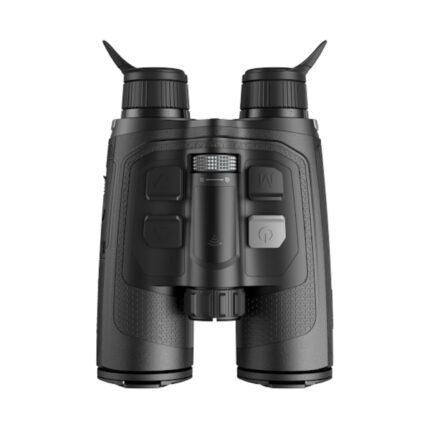
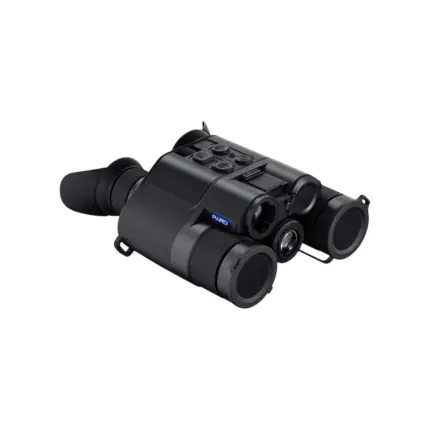
Multispectral binoculars combine a thermal imaging channel and a digital imaging channel in one two-eye observation device. The thermal channel shows heat contrast, picking out warm subjects against their surroundings. The digital channel gives a view of the scene itself. The range includes Pulsar Symbion, Pixfra Draco, ThermTec Ventus, Nocpix OMNI and PARD Osprey 4K models.
If the heat picture alone covers what you need, our thermal binoculars collection gives you a broader range of thermal models to compare. Choose from the range below when you specifically want a second, digital view in the same device.


What the second channel adds
A thermal channel builds its picture from differences in emitted infrared heat. A fox at a field margin or a roosting bird can stand out when it is warmer than the vegetation around it, though weather and background affect how clearly. The setting can be harder to read in thermal: the hedge line, the gateway, the track the animal is using. The digital channel adds a more familiar image of the scene, so you can relate a heat signature to its surroundings and follow it with more context.
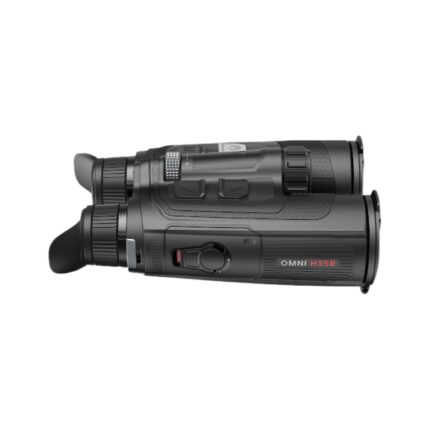
The Pulsar Symbion LRF DXT50 and DXR50 are clear examples, pairing thermal and digital channels in one binocular. Nocpix takes the same approach with the OMNI H35R and L19R, which add digital imaging to a thermal channel.
The two channels respond to different things, and the essential point to grasp is this: the digital view depends on light in the scene. In daylight it shows a conventional picture. After dark it relies on the device's night modes and on available light or suitable infrared illumination, depending on the model and mode. The thermal channel does not need visible light because it reads emitted heat.
Compare the channels and modes separately
- Field of view for each channel. The thermal and digital sides can frame the same scene differently, so compare their coverage individually.
- Starting scale. Base magnification can also differ between channels, which changes how large a subject first appears in each.
- Sensor and display. The sensor captures the image and the display presents it to your eyes. They are separate specifications, and each channel has its own sensor.
- How you move between views. Some models let you switch channels, and some show both at once, as Symbion does with picture-in-picture. Pick the arrangement that matches how you like to scan and then study a subject.
Ranging and handling
Several models here include a laser rangefinder: the Symbion LRF DXT50 and DXR50, and the three Draco versions, the Draco D635-4K LRF, D335-4K LRF and D225-4K LRF. A laser rangefinder gives you a distance figure for the subject you are viewing, which is useful when you are judging ground or recording sightings. Ranging is a feature of the individual model, so treat it as its own line on your comparison.
Then weigh size, carrying and the power arrangement against the way you work: long sessions from one position, or frequent moves across ground. If you would rather sweep for heat with a smaller single-eyepiece device, our thermal monoculars are built around that handheld style of scanning.
Frequently asked questions
How do multispectral binoculars differ from thermal-only binoculars?
A thermal-only binocular gives you a heat image. A multispectral binocular adds a second, digital channel in the same device, so you can see the scene as well as the heat contrast. Nocpix illustrates the split within its own binoculars: QUEST is thermal, while OMNI adds digital imaging. Choose multispectral when seeing landmarks, cover and terrain around a warm subject matters to you, not just finding the subject.
Will the digital image stay full colour in complete darkness?
That is not something to expect as a general rule. Digital imaging works with the light that reaches its sensor, so a daylight colour view and a night view are different modes. In darkness the digital channel relies on night operation, which can involve infrared illumination of the scene, and the result differs from a daytime colour picture. Compare each model's night modes and illumination arrangement rather than assuming one behaviour across brands.
Can both channels be viewed at the same time?
On some models, yes. Pulsar's Symbion offers picture-in-picture modes that show thermal and digital views together. Other models here may handle this differently, for example by switching between channels or offering their own combined modes. If watching both at once is central to how you observe, make the viewing modes a key point when you compare models.
Why compare the field of view of each channel?
Because the thermal and digital channels are separate imaging systems, they may not take in the same width of scene or start at the same image size. A wide thermal view helps you sweep an area for heat, while the digital channel's framing affects how much context you see around a subject. Looking at both figures shows how the two views will relate when you move between them.
What does a laser rangefinder add?
It measures distance. The imaging channels show you the subject; the rangefinder tells you how far away it is. These are separate functions, so a strong thermal image does not depend on having a rangefinder, and a rangefinder does not detect heat. Models such as the Symbion LRF DXT50 and DXR50 and the Draco D635-4K LRF, D335-4K LRF and D225-4K LRF build ranging into the binocular.
Does a quoted detection range guarantee identification?
No. Detection means noticing that something warm is present. Recognition and identification need progressively more detail. Thermal specialists such as FLIR describe these as distinct levels that depend on the system and on conditions like weather, background and the size of the subject. Treat a detection figure as the point where a heat source can be noticed, and use the digital channel and closer observation to work out what it is.