Laser Range Finders
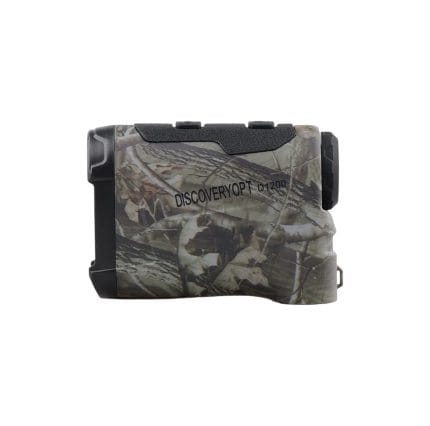
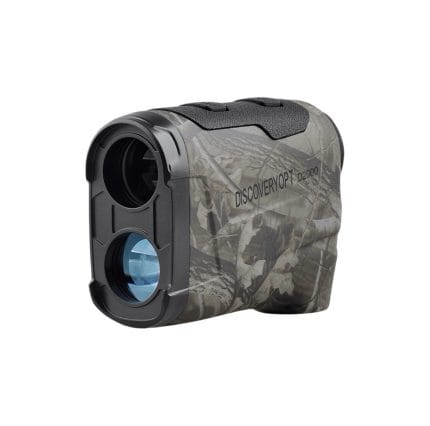
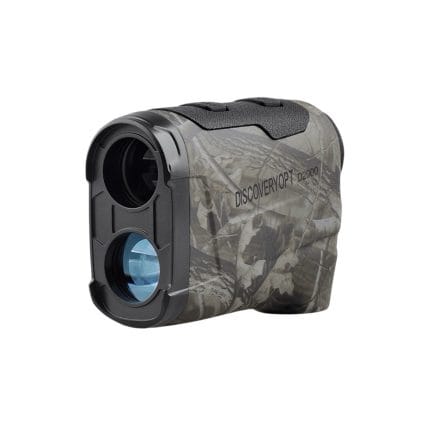
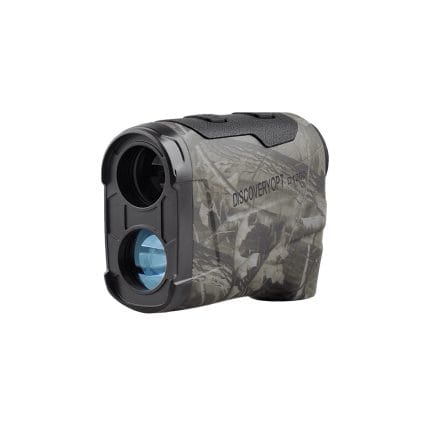
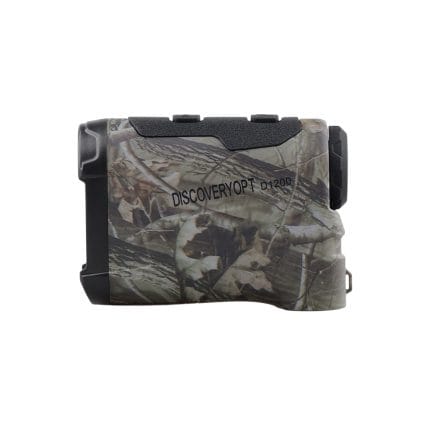
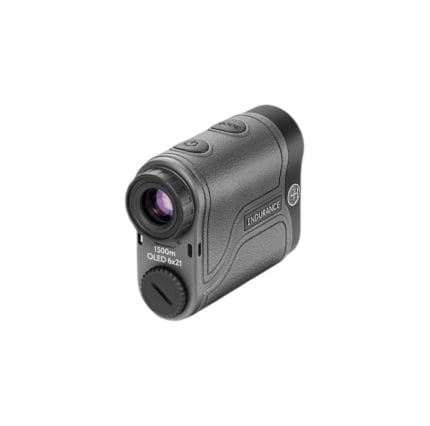
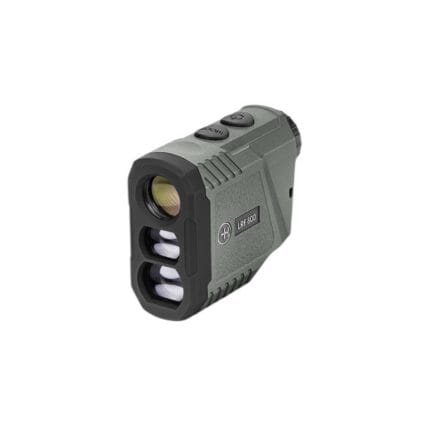
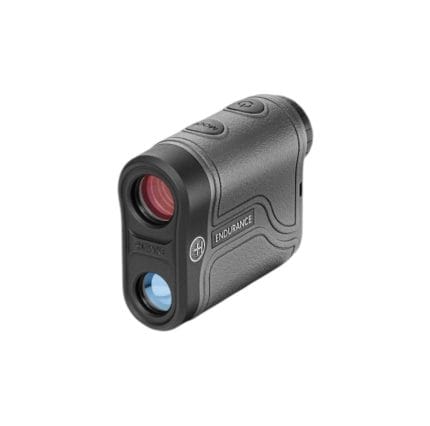
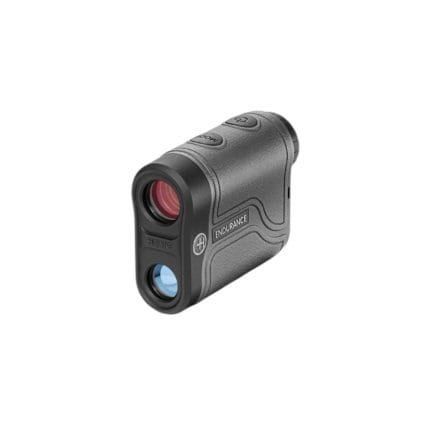
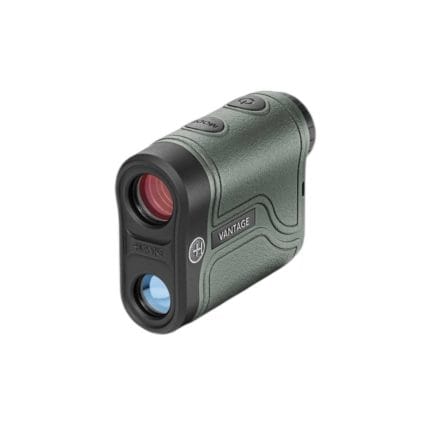
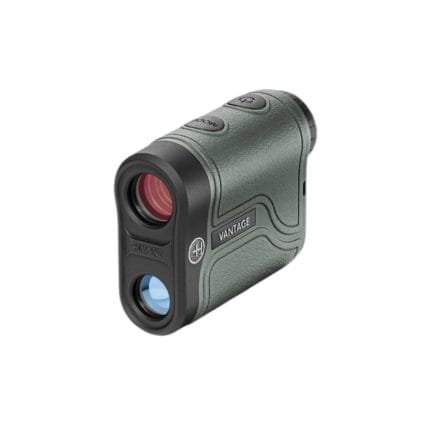
A laser rangefinder measures the distance from you to a target you choose. It is useful whenever you need a distance figure outdoors, whether you are watching wildlife, stalking or working across open ground. This category features handheld rangefinders from Vortex, Hawke and DiscoveryOpt, including the Vortex Crossfire HD, Diamondback HD, Viper HD and Razor ranges and the Hawke Vantage series. Range ratings, displays and measurement modes vary between models, so compare each product’s description against how and where you plan to use it.
Choosing a laser rangefinder
Handheld unit or two-eye viewing?
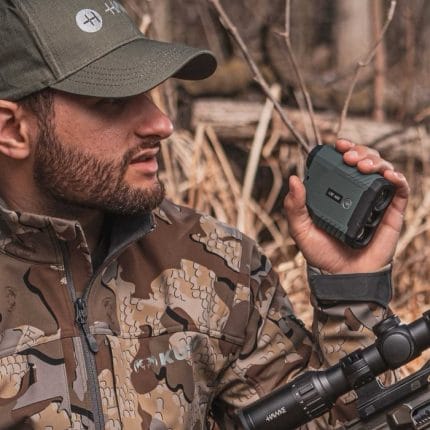
The rangefinders in this category are handheld units. You look through a single eyepiece, aim at a target and read the distance. Many people carry one alongside their binoculars. They use the binoculars to scan and the rangefinder to measure.
Rangefinding binoculars combine two-eye viewing and distance measurement in a single device. Some people prefer them because they only need to carry one optic. Others prefer a separate, smaller rangefinder that fits in a pocket or can be used on its own. Either way, think about:
- how much you want to carry
- whether you prefer viewing with one eye or two
- whether having two separate devices suits the way you work
If two-eye observation matters most, you can browse our binoculars. Check each product description to confirm whether a particular model includes ranging.
Understanding advertised range
The headline maximum distance quoted for a rangefinder does not promise a reading at that distance on every target. Manufacturers often rate range against specific target types.
For example, the manufacturer page for the Vortex Crossfire HD 1400 lists separate maximum figures for reflective targets, trees and deer. Those figures apply only to that model and should not be assumed for any other rangefinder.
Vortex's own guidance explains that several factors affect whether you get a reading:
- Target size: smaller targets are harder to range at distance.
- Reflectivity: the strength of the laser return depends on the surface.
- Conditions: the atmosphere and weather can reduce performance.
- Steadiness: how steadily you hold the unit affects results.
When comparing models, ask what each rating was measured against rather than looking only for the largest number. The same applies to a figure in a product name, such as 600 or 4000. Treat it as a reason to read the full description, not as a guaranteed distance.
What the display shows
Rangefinders differ in how they present information. When comparing models, look at the following.
Units. Check whether the device can show yards, metres or both, particularly if you are used to working in one or the other.
Display legibility. Consider how readable the display is likely to be in the light you usually work in.
Measurement modes. Taking the Crossfire HD 1400 as an example, Vortex describes two ranging modes for that model:
- Line-of-sight (LOS): the direct, straight-line distance to the target.
- Angle-compensated distance (HCD): a figure adjusted for an uphill or downhill angle. The FAQ below explains how this differs from a line-of-sight reading.
The Crossfire HD 1400 also has a scan feature, which Vortex says can be used in either ranging mode. Scan is not a third ranging mode. Instead, the display keeps updating the distance as you pan across a scene or follow a moving subject, rather than giving one reading per press. This can be convenient when you want to check the distance to several points in turn.
Other models may offer different modes, more modes or fewer, and may operate them differently. Check each description and manual rather than assuming a shared feature set. If scan or angle compensation matters to you, confirm that the exact model lists it and how it is switched on.
Additional outputs. Some higher-specification models describe extra calculated information. If this matters to you, confirm exactly what the specific model provides.
Handling, power and what comes with it
A rangefinder is only useful if you can hold it steadily and operate it comfortably. Before choosing, compare:
- the stated size and weight
- how the controls are laid out, and how you would carry the unit
- the battery type the model requires, so you know which replacements to keep
- what the specific listing says is included, such as a case or strap
- the support information that applies to that exact item
Our accessories category covers a wider range of optics accessories. Check compatibility with your chosen model before buying anything to use alongside it.
Frequently asked questions
What does a laser rangefinder measure?
It measures the distance from the device to the target you aim at. You look through the eyepiece, select a target and the unit displays a distance reading. Beyond that basic measurement, models differ in the units they show and in any extra reading modes they offer.
Why might I not get a reading at the advertised maximum range?
Maximum range figures depend on the type of target used to rate them. Real-world readings are also affected by:
- the size of the target
- how reflective its surface is
- atmospheric conditions
- how steadily you hold the unit
A small, dull or partly obscured target at long distance may not return a reading, even within the headline figure. Use the rating as a point of comparison, not a guarantee.
Should I choose a handheld rangefinder or rangefinding binoculars?
It depends on how you prefer to observe and what you want to carry. A handheld rangefinder is a separate unit that you can use on its own or alongside binoculars you already own. Rangefinding binoculars combine two-eye viewing and ranging in one device. The products in this category are handheld rangefinders. If you are considering a combined device, compare its specifications, size and weight against a separate binocular-and-rangefinder setup.
What is the difference between line-of-sight and angle-compensated distance?
Line-of-sight distance is the direct, straight-line distance from the rangefinder to the target, whatever the slope between you.
Angle-compensated distance adjusts for whether you are ranging uphill or downhill. Vortex labels this mode HCD and describes it in two ways:
- On its Crossfire HD 1400 page, it describes HCD as slope-angle-compensated distance.
- On its Impact 850 page, it describes HCD as angle-compensated horizontal distance.
In broad terms, a horizontal distance is the level distance to the target rather than the distance along the slope. On a steep uphill or downhill view, it can therefore differ noticeably from the line-of-sight figure.
The two readings answer different questions, so they are not interchangeable. Other brands may use different names, calculations and display layouts. Check the manual for the exact model to see which figure it shows by default and how to switch between modes.
As a simple guide:
- If you mostly range across fairly level ground, or just want to know how far away something is, a line-of-sight reading may be all you need.
- If you regularly range up or down noticeable slopes and want a slope-adjusted figure, look for a model that lists angle compensation.
Are laser rangefinders only for hunting?
No. A rangefinder measures distance, which is useful in many outdoor settings, including wildlife observation, stalking and judging distance across land. Some models are described with features aimed at particular activities. Match the specification to what you actually plan to do rather than choosing on the headline range figure alone.
What should I check if my rangefinder isn't giving a reading?
The cause depends on the model and the conditions. Start with the factors manufacturers identify: the target's size and reflectivity, the weather and atmosphere, and how steadily you are holding the unit. Then work through the manual for your specific model, including its guidance on power and on which mode is selected. If you still don't get a reading, contact the relevant support route for your unit and quote its exact model name.
How do I compare two rangefinders that look similar?
Put their full descriptions side by side and compare:
- the target type each range figure applies to
- display units and readability
- the measurement modes listed, and what each one displays
- size and weight
- battery type
- what is stated as included
Similar-sounding names can cover different specifications. Rely on the details for the exact product rather than the series name.