Vortex Riflescopes and Optics

Choose your Vortex riflescope by its exact configuration. Within Crossfire II, Strike Eagle, Venom, Viper and Razor LHT, one family name can cover different magnification ranges, focal planes, reticles and MOA or MRAD units. Compare the full model description, not just the family name.
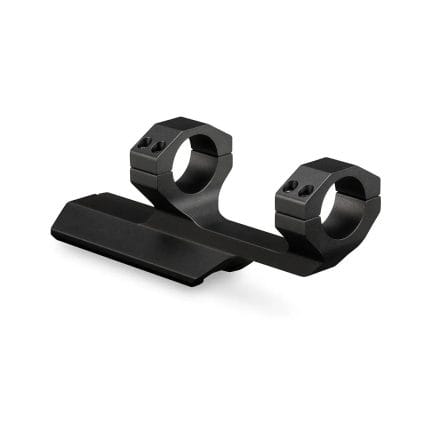
The range also includes the Diamondback Tactical FFP 6–24×50 riflescope, a Precision Match 34mm ring set, 1-inch and 30mm cantilever mounts, and a selection of Vortex binoculars and laser rangefinders. Use the products below to narrow by model, then use the guide underneath to compare focal plane, units and mount fit.
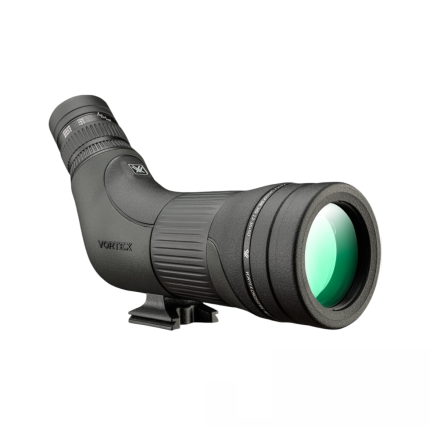
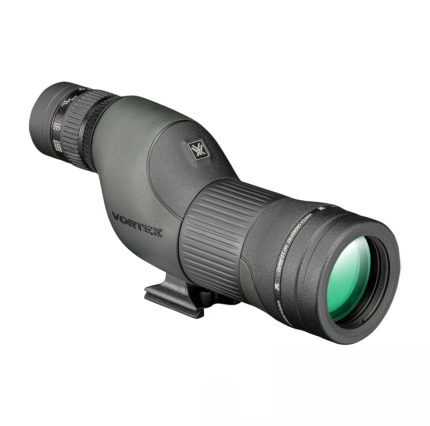
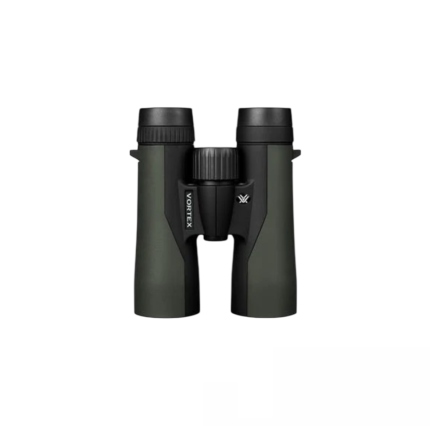
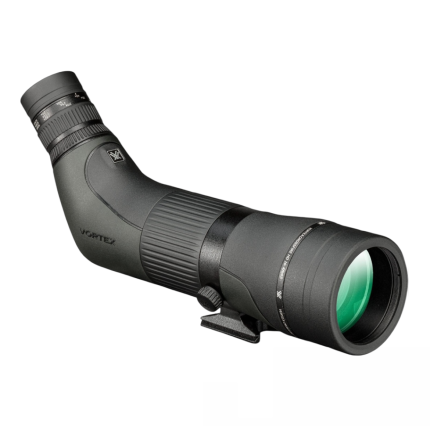
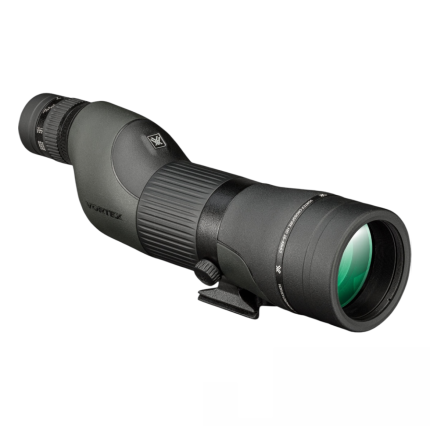
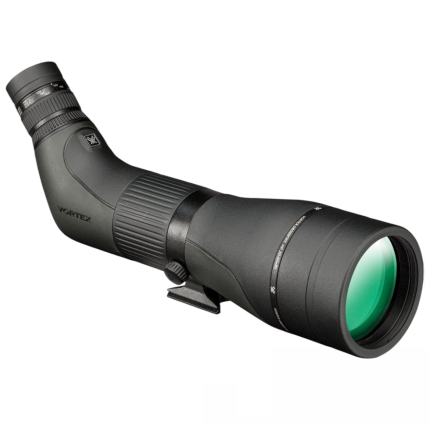
Compare Vortex scope configurations
A Vortex riflescope description sets out a series of choices. Read it from left to right and compare each part with what you need. The table explains each part, with examples from this range.
| Part of the description | What it tells you | Example from this range |
|---|---|---|
| Family and generation | The model line, including any generation mark | Viper PST Gen II, Razor LHT, Razor HD LHT |
| Magnification and objective | The magnification range, then the objective lens diameter in mm | Venom 3–15x44 and Venom 5–25x56 |
| Focal plane | FFP (first focal plane) or SFP (second focal plane) | Strike Eagle 1–8x24 FFP; Viper PST Gen II 1–6x24 SFP |
| Reticle | The named reticle pattern | Crossfire II Plex or BDC; Razor LHT HSR-5i |
| Unit | MOA or MRAD, the angular unit system for that version | Razor LHT 3–15x42 HSR-5i, in MOA and MRAD versions |
| Tube diameter | The size of the scope's main tube, which sets the ring diameter | Given in the exact model's specifications or manual; it decides between 1-inch, 30mm and 34mm mounts |
Similar versions, different choices
- Crossfire II 3–9x40 Plex and BDC: these share the 3–9x40 format label and carry different reticle names. Compare the reticle layout for each version in its manual and choose the one that suits how you intend to aim.
- Razor LHT 3–15x42 HSR-5i: these share 3–15x42 HSR-5i labels, with MOA and MRAD versions. Choose the unit you already read on other scopes or in your own records, so you don't have to convert between the two.
- Razor LHT 3–15x42 and Razor HD LHT 4.5–22x50: these are separately named scopes, not size options of one model. The Razor HD LHT 4.5–22x50 is listed as FFP with the XLR-2 reticle in MOA.
Once your shortlist matches on magnification, focal plane, reticle and unit, compare the details a model name doesn't show, such as main tube diameter, eye relief and overall dimensions. These decide which mount you need and where the scope sits on your rifle. If the product page doesn't give a detail you need, check the manual or datasheet for that exact model.
Focal plane and units
FFP or SFP. In a first focal plane scope, the reticle is magnified along with the image, so its marks keep the same relationship to the target at every magnification. In a second focal plane scope, the reticle stays the same apparent size as you change magnification, so it looks the same in the eyepiece at every setting, but its marks cover more or less of the target as you zoom. This range includes FFP versions such as the Strike Eagle 1–8x24 and Venom 3–15x44, and an SFP option in the Viper PST Gen II 1–6x24.
MOA or MRAD. MOA (minute of angle) and MRAD (milliradian) are both angular units, and neither ties you to yards or to metres. The practical choice is consistency: pick the system you already use on other scopes or in your own records, so you aren't converting between the two. Some models come in both, such as the Razor LHT 3–15x42 HSR-5i. Check which unit the reticle and the adjustments use on the exact version you choose.
Fitting rings and cantilever mounts
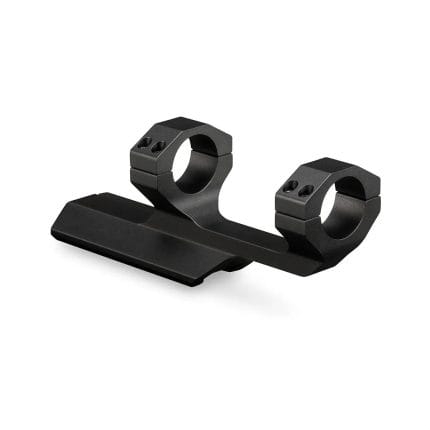
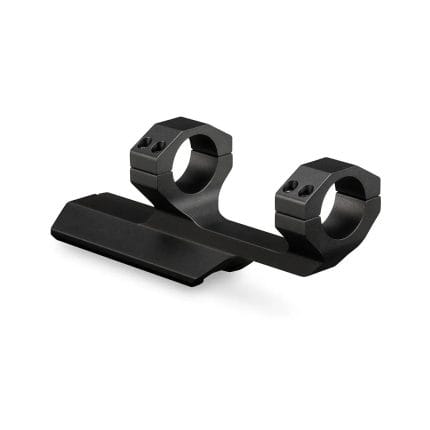
The mounting options here include a Precision Match 34mm ring set in medium height, Vortex cantilever mounts for 1-inch tubes with a 2-inch or 3-inch offset, a 30mm cantilever mount with a 3-inch offset, a Precision QR 30mm cantilever with a 2-inch offset, and a Pro 30mm cantilever mount. Work through these checks in order:
- Tube diameter. The ring diameter must match the scope's main tube. Find the tube diameter in the specifications, manual or datasheet for the exact model. The objective figure in the name, such as the 50 in 6–24x50, is the front lens diameter, not the tube size.
- Interface. Make sure the mount suits the base or rail on your rifle.
- Height and clearance. The objective bell must clear the barrel. Pay particular attention to this with 50mm and 56mm objectives.
- Offset. On a cantilever mount, a 2-inch or 3-inch offset changes how far forward the scope sits. This helps you place the eyepiece correctly for your head position and the scope's eye relief.
Fit and tighten according to the instructions for your specific mount and scope. No single torque figure covers every combination.
Binoculars and rangefinders
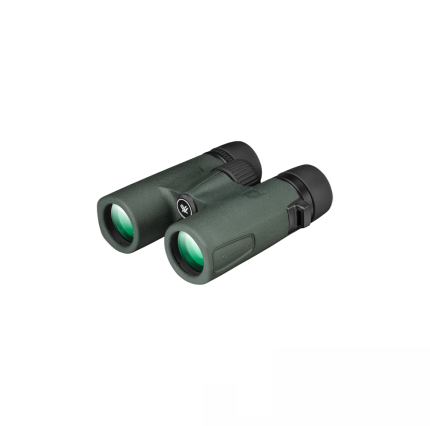
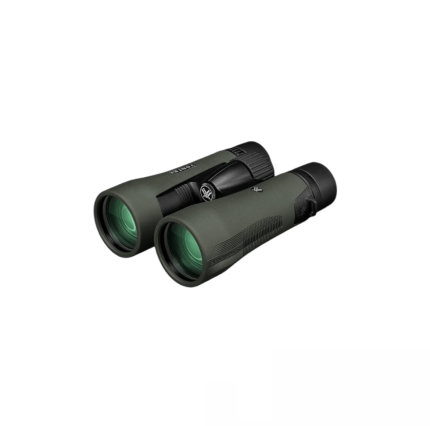
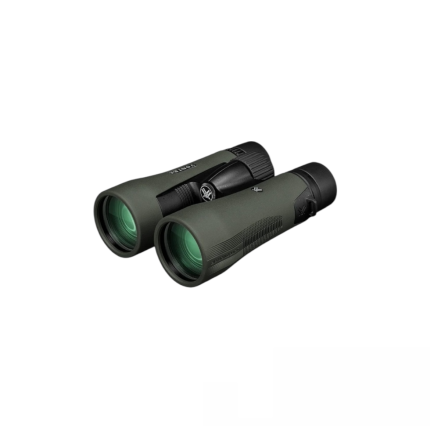
For observation rather than aiming, this range includes Diamondback HD and Razor HD binoculars in 8x42 and 10x42. It also includes the Viper HD 3000 Laser Rangefinder and the Fury 5000HD 10x42 Bino LRF Gen II, which combines a 10x42 binocular with a laser rangefinder.
For a wider choice of Vortex observation optics, browse Vortex Wildlife. To compare rangefinders, see Laser Range Finders.
Vortex buying questions
How do I choose between versions in one Vortex range?
Treat the family name as a starting point, not a single product. Decide on the magnification range first, then the focal plane, reticle and unit. Then compare tube diameter, eye relief and dimensions for the versions on your shortlist, using the manual or datasheet for each exact model if the product page doesn't give them.
What do numbers such as 3–9x40 or 5–25x56 mean?
The first part is the magnification range, for example 3x to 9x or 5x to 25x. The figure after the x is the objective lens diameter in millimetres. Binocular figures such as 10x42 follow the same pattern, with a single fixed magnification. The objective is the front lens, not the main tube. Ring diameter matches the tube diameter, which you will find in the scope's specifications. The objective size still matters for mounting, because the rings must be high enough for the objective bell to clear the barrel.
Should I choose FFP or SFP?
Neither is best for every shooter. If you intend to use the reticle's marks at different magnifications, a first focal plane scope keeps their relationship to the target constant. If you would rather the reticle look the same size at every setting, a second focal plane scope does that. Either way, check the manual for how that exact reticle's marks are designed to be read.
Is MOA or MRAD better?
Neither is better in itself. Both are angular units, and both work whether you think in yards or metres. What matters is reading one system without converting, so choose the unit you already use. Then confirm in the specifications or manual which units the reticle and the adjustments use on that exact version.
Will any 30mm mount fit a 30mm Vortex scope?
Not automatically. A 30mm ring diameter is necessary, but the mount must also suit your rifle's base or rail and sit high enough for the objective to clear the barrel. A cantilever mount also needs an offset that places the eyepiece where you need it. The 30mm cantilever options here differ in model and offset, so compare them against your rifle and scope.
Should I choose a binocular rangefinder or a standalone rangefinder?
The Fury 5000HD 10x42 Bino LRF Gen II combines viewing and distance measurement in one 10x42 unit, so one device covers both tasks. The Viper HD 3000 is a standalone laser rangefinder, which suits you if you already own binoculars you are happy with. Check each product page for the specifications that matter to you before deciding.