


Vehicle Mounted Thermal Imaging
Vehicle-mounted thermal cameras are designed to attach to a vehicle or other support, so you do not need to hold them to your eye. They are a different format from handheld thermal monoculars and from aerial options such as DJI drones. Viewing, control, power and mounting arrangements vary between models. Some models support remote viewing or control, but not every camera works the same way. Package contents and compatibility also differ, so check the product listing and the manufacturer’s information for the exact model before you choose.
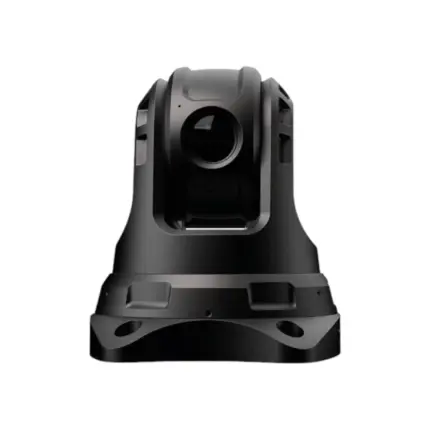

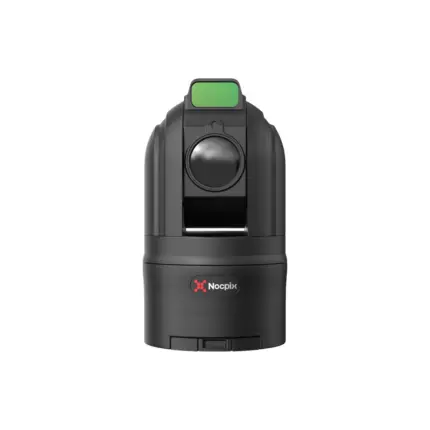
Choosing a vehicle-mounted thermal camera
A mounted thermal camera is one part of a wider setup. Before you compare image quality, check how the whole system will fit together for the model you are considering.
Format and intended use. A mounted camera suits observation where holding and aiming a device is impractical. When it is attached to a vehicle, it moves with that vehicle. Whether it can be repositioned or aimed while mounted depends on the exact model and mount. A handheld thermal is portable and largely self-contained, although you still need to check its accessories and battery arrangement. Neither format is better in every situation. The right choice depends on how and where you plan to observe.
What is in the box. Kits differ between brands and models. The UK package may also differ from what a manufacturer's international page shows. Confirm from the listing and current manufacturer documentation whether a model includes:
- a mount
- cables
- a power supply
- a display or controller
Do not assume any of these items is included.
Compatibility with your setup. Check the exact model's viewing method, power requirements, supported mounting and control method against your own vehicle and equipment. The FAQs below cover each of these in more detail.
Range and field of view. Advertised figures need reading in context before you compare models. The FAQs below explain how to do this.
Frequently asked questions
What is a vehicle-mounted thermal camera, and when is it useful?
It is a thermal imaging camera designed to be attached to a vehicle or other support instead of held up to the eye. It can suit observation where carrying and aiming a handheld device is awkward. Some models are designed for viewing or control from a separate screen or device, and others may work differently. How you view the image, control the camera and connect it depends on the specific model. Check each product's listing and the manufacturer's information instead of assuming every mounted camera works the same way.
How is a mounted thermal camera different from a handheld thermal monocular?
A handheld monocular is a portable device that you carry and aim yourself, typically with its own eyepiece or display. A mounted camera is attached to a vehicle or other support instead of being carried. When it is attached to a vehicle, it moves with the vehicle rather than with you. Depending on the model and package, a mounted setup may involve more separate parts, such as a screen, cables or a power connection. For either format, check the exact model's specifications, accessories and battery or power arrangement instead of relying on general claims about the format.
Will I need a separate screen or display connection?
Possibly. It depends on the model and on what the package includes. If a model needs a separate display, you may also need a particular cable or a compatible screen before you can see a picture. Before you buy, check:
- which output or viewing method the exact model supports
- whether a display or controller is included
- whether you will need to supply any connecting equipment yourself
If you have trouble getting a picture, a mismatched screen or cable is one possible cause but not the only one. Refer to the documentation and support for the exact device.
How is a vehicle-mounted thermal camera powered?
Power arrangements vary between models. Do not assume that one connection method or voltage applies across the range, or that a power supply comes in the box. Check three things:
- the stated power requirements for the specific model
- the UK package contents
- any guidance in the manufacturer's documentation
If you are unsure how a setup should be connected to a vehicle, get suitably qualified advice.
What mounting and controls do I need?
That depends on the camera, the mount and your vehicle. Mount stability, cable routing and how the camera is aimed all affect how practical a setup is in use. Whether a camera can be repositioned or aimed while mounted, and how, depends on the model and the mount. No single mount type suits every vehicle. Compare the manufacturer's information on supported mounting and control methods with your own vehicle, and confirm exactly which hardware the model includes.
How should I compare advertised detection range and field of view?
A detection range figure relates to a particular target and set of conditions. Where the manufacturer states the target size and conditions, check them before you compare models. Treat the figure as a reference point, not a guarantee of what you will see in the field.
Detecting a heat source means seeing that something is there. Recognising or identifying it is a separate, more demanding task. It may not be possible at the same distance as detection.
Field of view may be given in two ways:
- As an angle, in degrees. Compare angular figures with other angular figures in the same units.
- As a linear width at a stated distance, for example metres at 100 m. Compare linear figures only when they use the same units and the same reference distance, or after a verified conversion.
Does a thermal camera show the actual temperature of what I'm looking at?
Not necessarily. A thermal camera detects infrared radiation and displays differences in it as thermal contrast. Several things affect what the camera receives:
- the object itself
- its surroundings, which can reflect radiation
- the air and weather in between
As a result, the image alone does not guarantee an accurate temperature reading. Some thermal devices include a temperature-measurement function. If that matters to you, check whether the exact model's documentation lists one and what it covers.